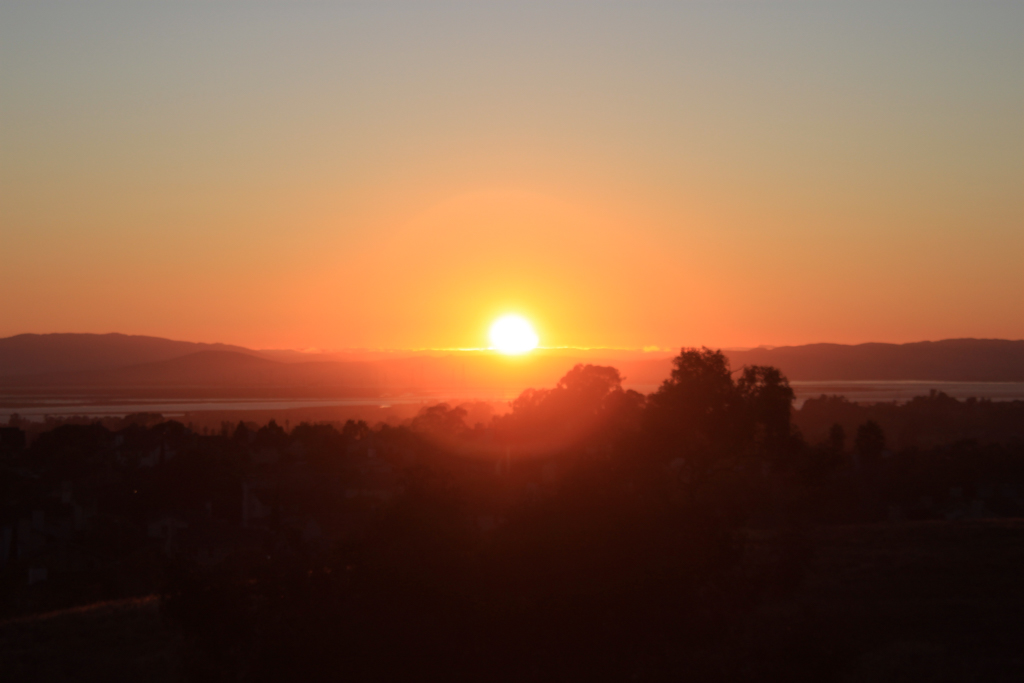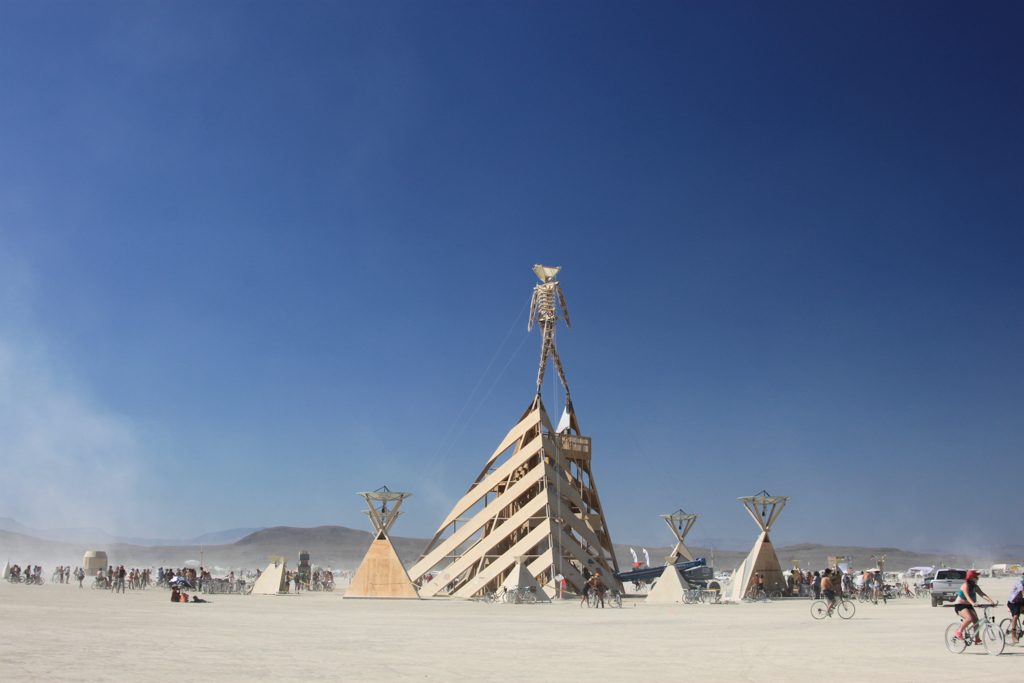
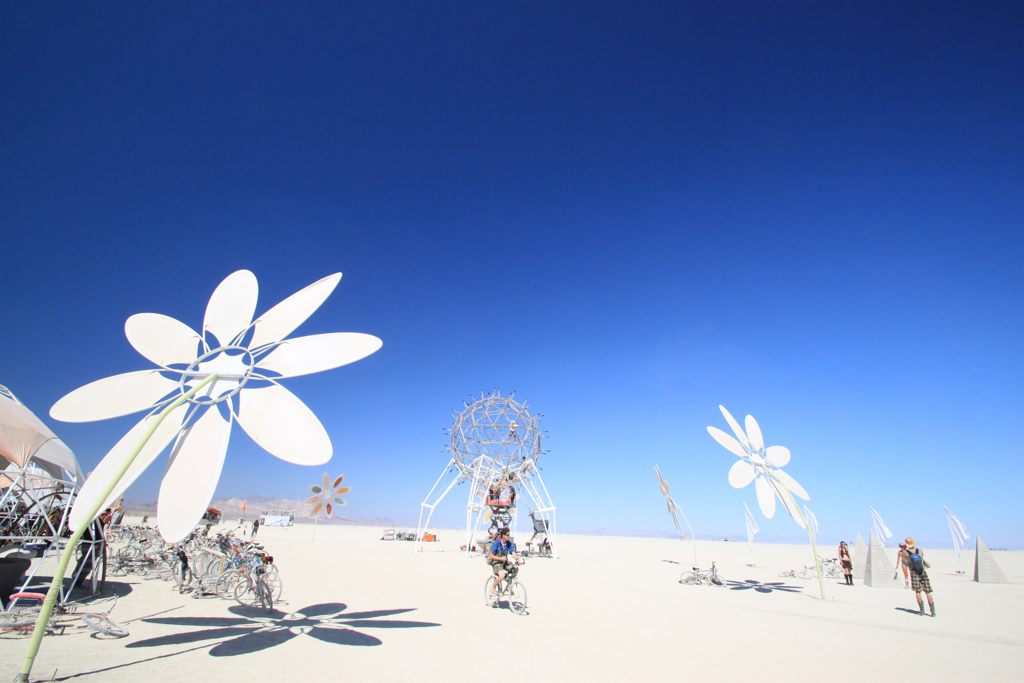
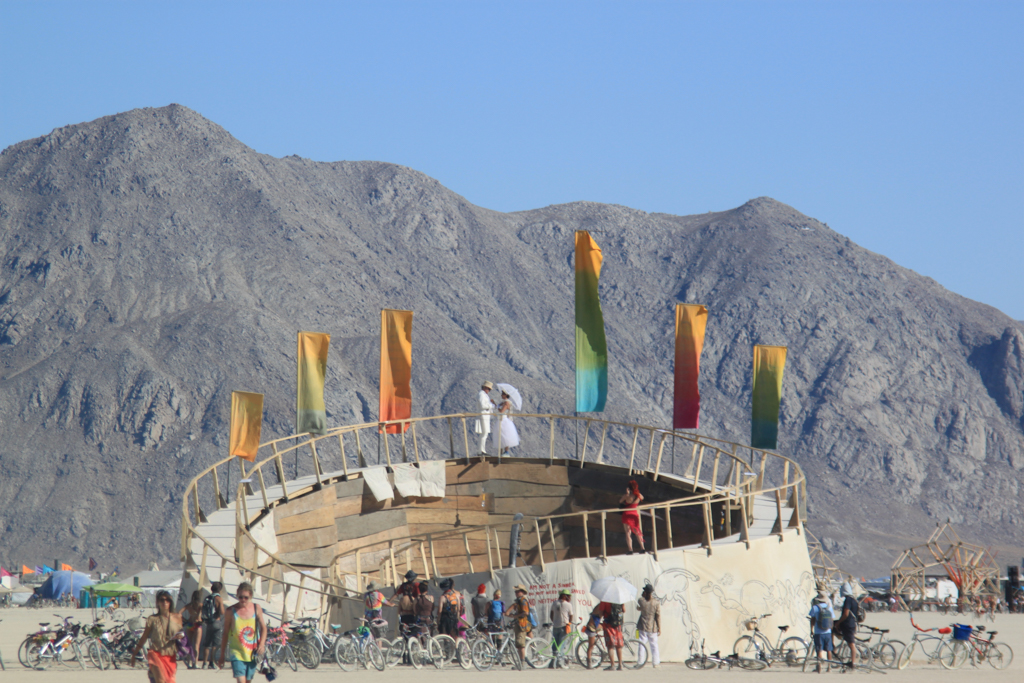
It is my third visit to Burning Man, where a city of tens of thousands of people from all over the world suddenly appears in the Black Rock Desert of Nevada for one week.
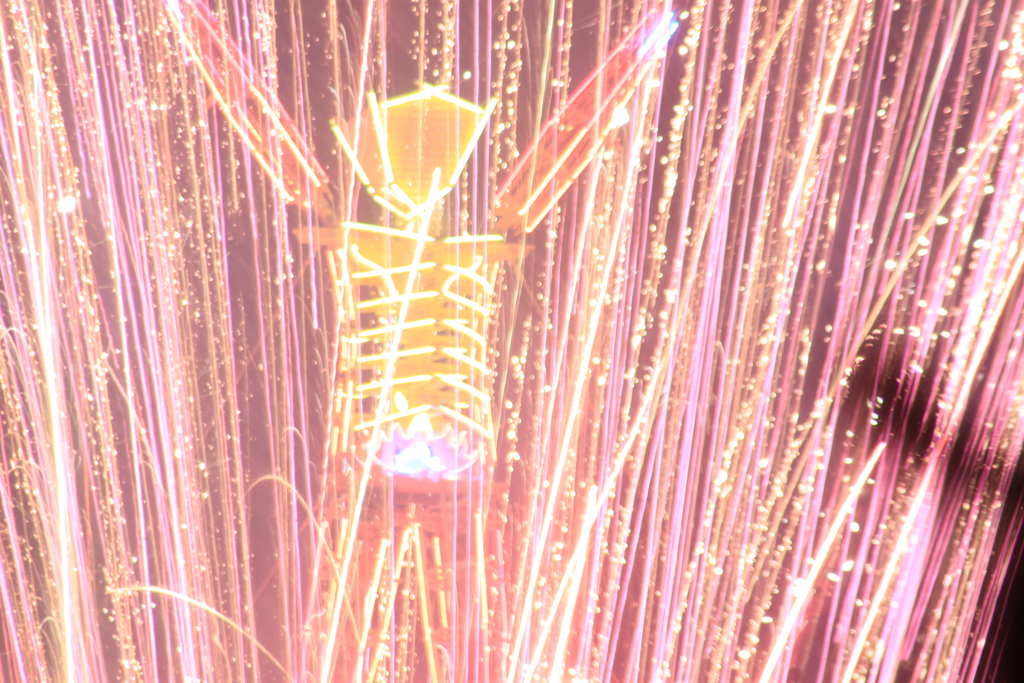
A few core principles guide this countercultural gathering, such as no spectator, gifting/decommodification (no business), “the Man” burnt to the ground in the end, and leaving no trace.
You can’t use the money to buy something except coffee, ice, and water in the center. You bring everything you need yourself and live together with other burners for one week with self-reliance, communal effort, and civic responsibility.
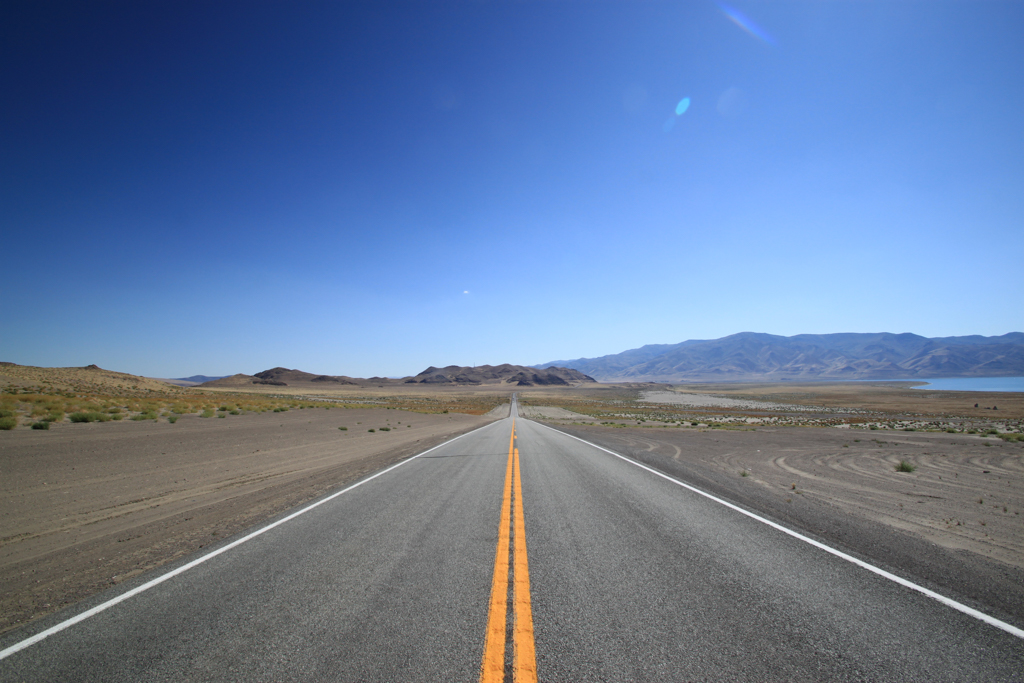
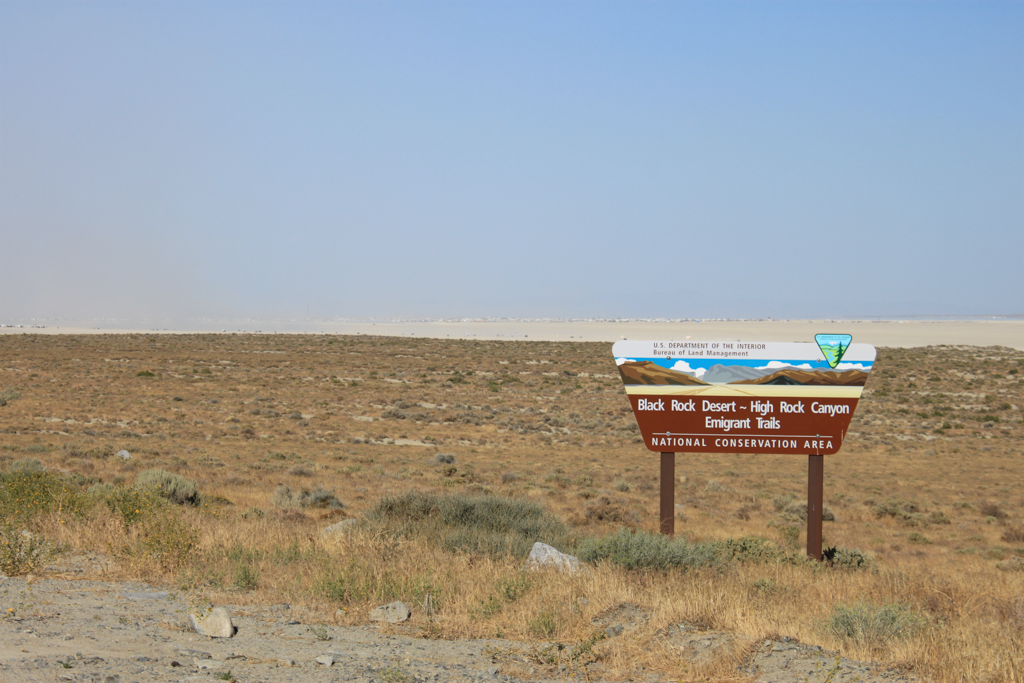
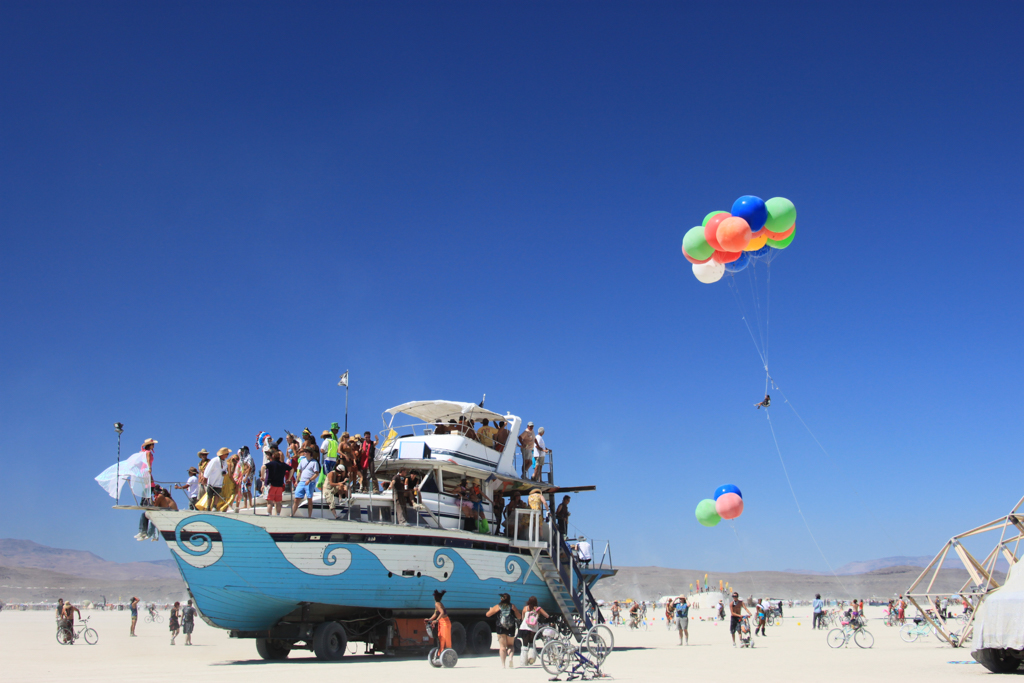
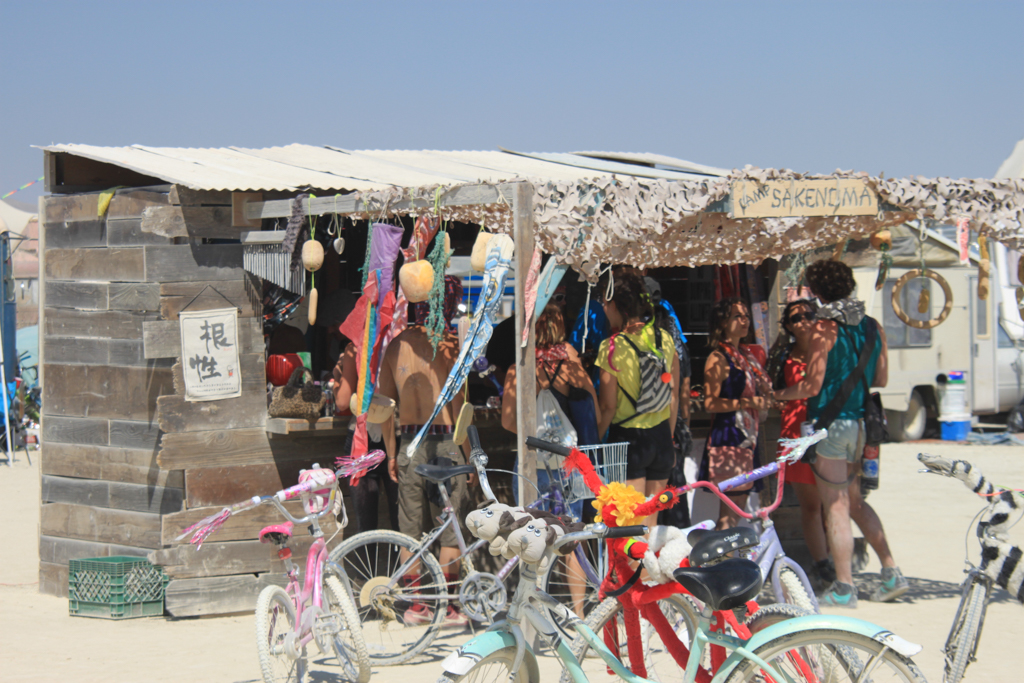
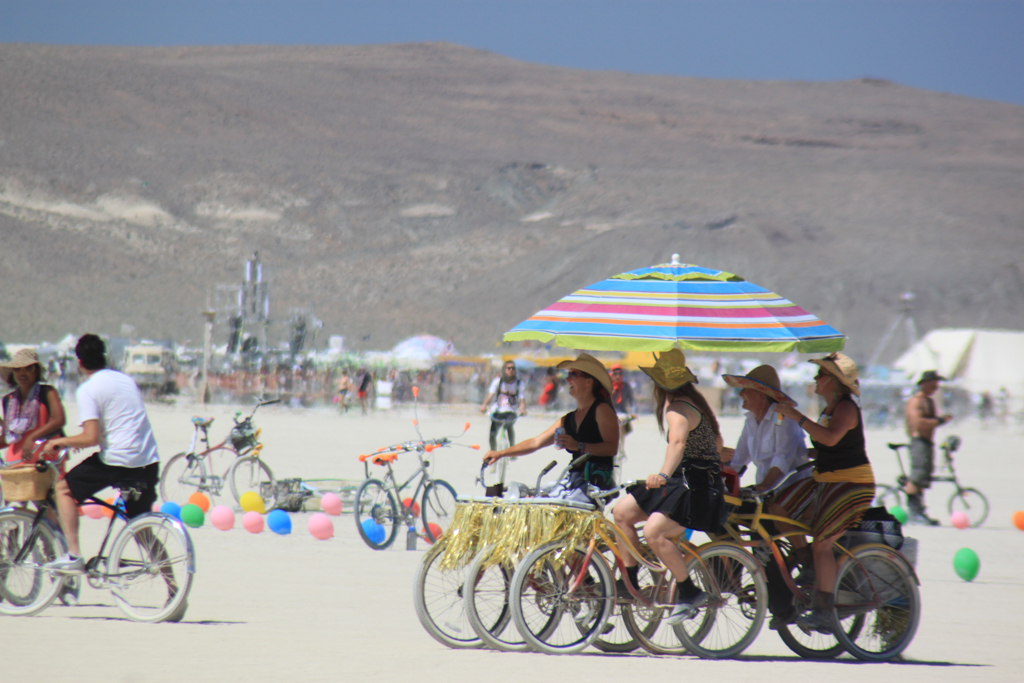
You stop by a joint and receive a free ice-cold beer on a bright, hot day in the desert and drink with radical artists chatting about political approaches against climate change. That’s a slice of life here.
Participants range from famed DJs and scientists to lawyers and investors, but titles don’t matter here. It all began with a huddle of hippies on Baker Beach near San Francisco in 1986.
Management and ranger staff, representing 10% of the participants, are teamed up almost entirely with volunteers and are responsible for everything from road maintenance to public safety. This gathering is an experiment of future “small government,” showing the city is functioning without problems.
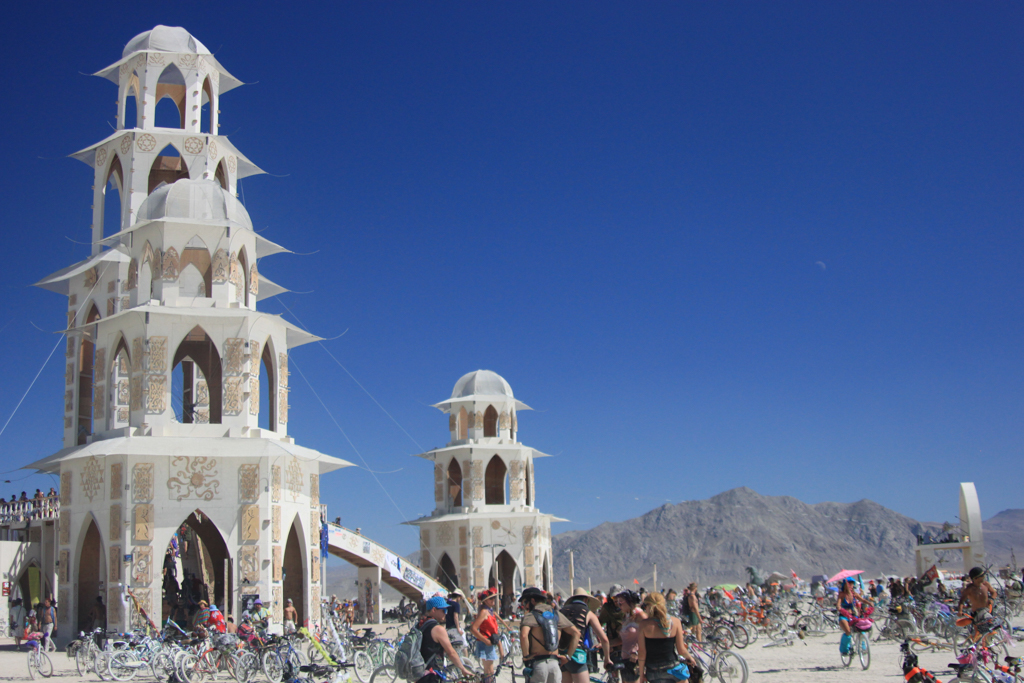
This outdoor ghost camp can be similar to online communities in terms of bringing people of the same tastes together and living together. Bringing the internet to the real world, this town on the sand is a real-virtual.
In the future, we can create anonymous selves in real life, which is genuinely an alias.
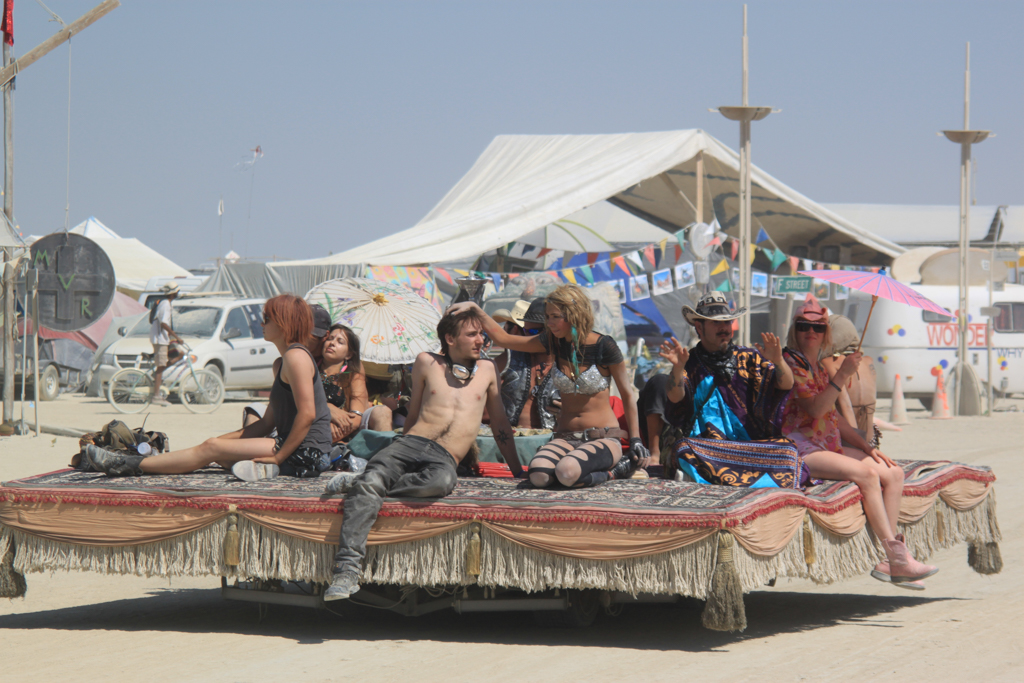
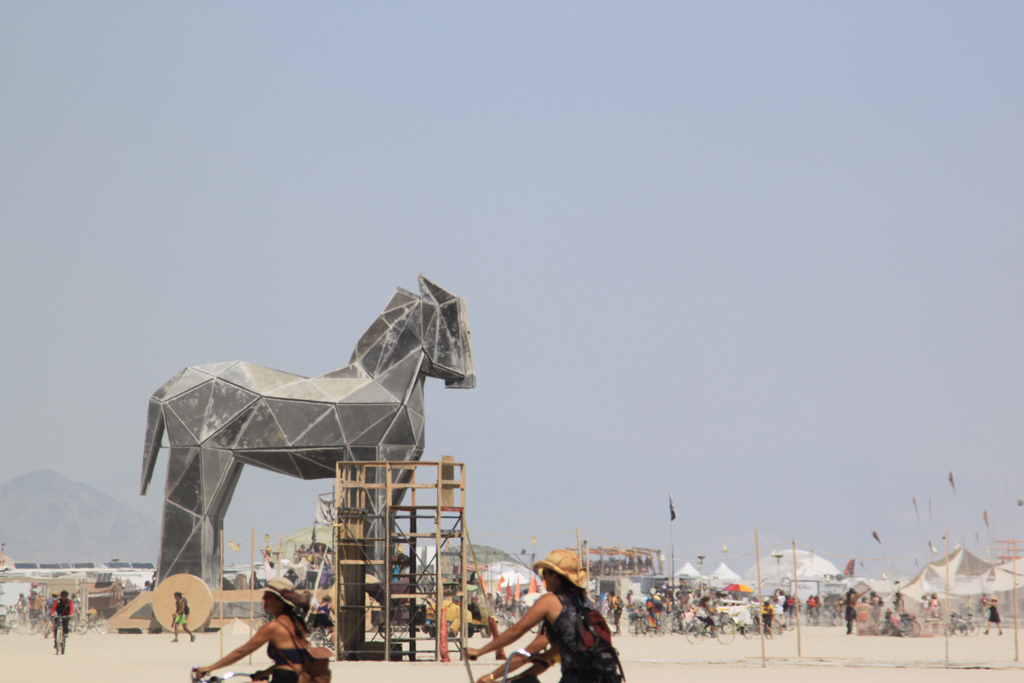
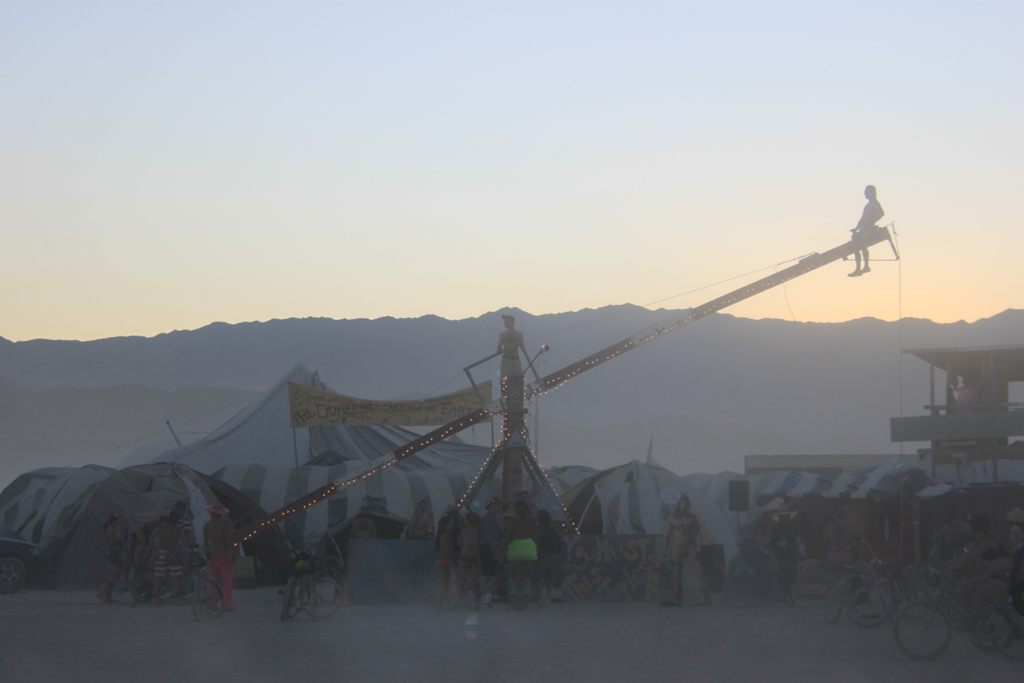
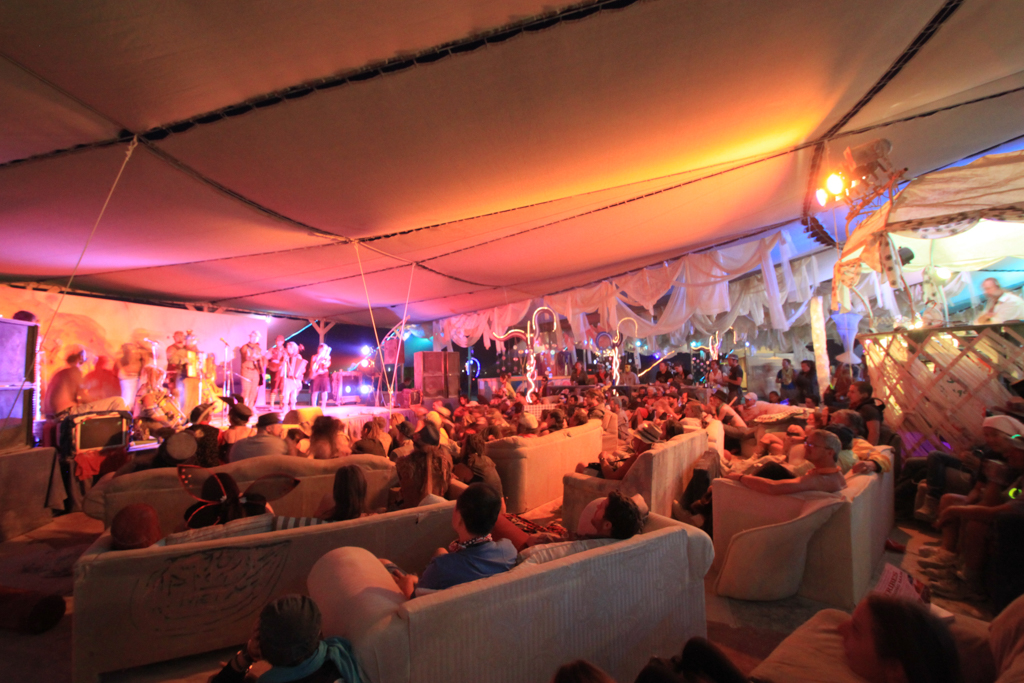
Until the late 1990s, Burning Man had many people trying to enhance their ability to transform themselves through supreme experiences such as cyberdelics and psychedelics. One such person was Loren Carpenter, the one of the founding members of Pixar, is on Burning Man’s board. He is the fractal-CG guy from Boeing who later joined Lucasfilm through Alvy Ray Smith and Ed Catmull. Photoshop was born in this environment. George Lucas got hit with a massive divorce settlement, and sold off the CG division (marital assets divided into half in California even after his wife cheated on him). Disney fired John Lasseter, Apple kicked out Steve Jobs, and Jobs threw money into these people to start Pixar. So Burning Man is the place for cyber-psychedelics culture in a real life.
Burning Man was a gathering of eccentrics, but now it is becoming just another festival business. The 2011 art theme was Rites of Passage, which sounds like a message to the event itself.
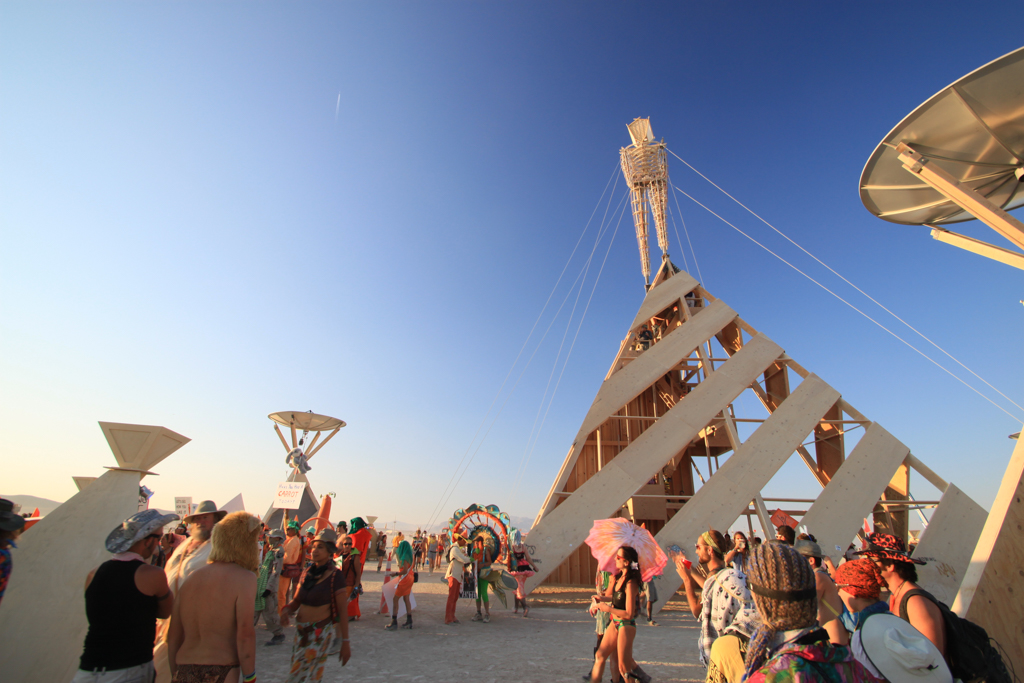
The great experience I had this time was iPad. I swiftly ripped 100 movies from my BD/DVDs, scanned my 300 books and comics with a document feeder, and brought all of them with me on the iPad. Reading hundreds of mangas through the glowing screen at night in the desert feels like a future scene envisioned once has finally come true. You can carry Netflix and Barnes & Noble together to turn any place anytime into a mobile comic/internet café as Burning Man does to this town.
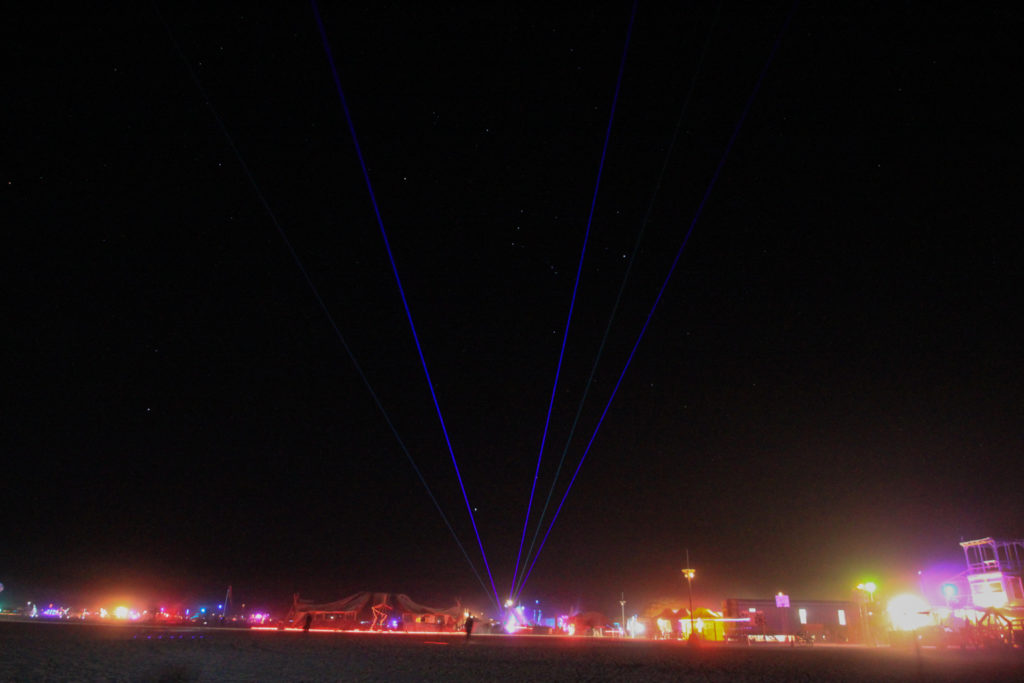
What concerns me is a town called Empire, a traditional corporate castle town, and it has been the last stop for the burners to the Burning Man. The town closed in 2011, and all the employees lost their gypsum-mining job that was considered lifetime employment, and the property values of their to-be-permanent real estate have reduced to zero. The townspeople have started life as precariat, and some work at Amazon Fulfillment Center in Reno as workamper. Were they only destined to have no choice but to survive classic extractive capitalism, followed by harsh neoliberalism?
Driving through the desert at night on my way back, I spot a few lights in the distance. They were the workampers living in trailer houses. Are they the future of the burners or the reality of a nomadic lifestyle? This contrast tells us something important for our future.