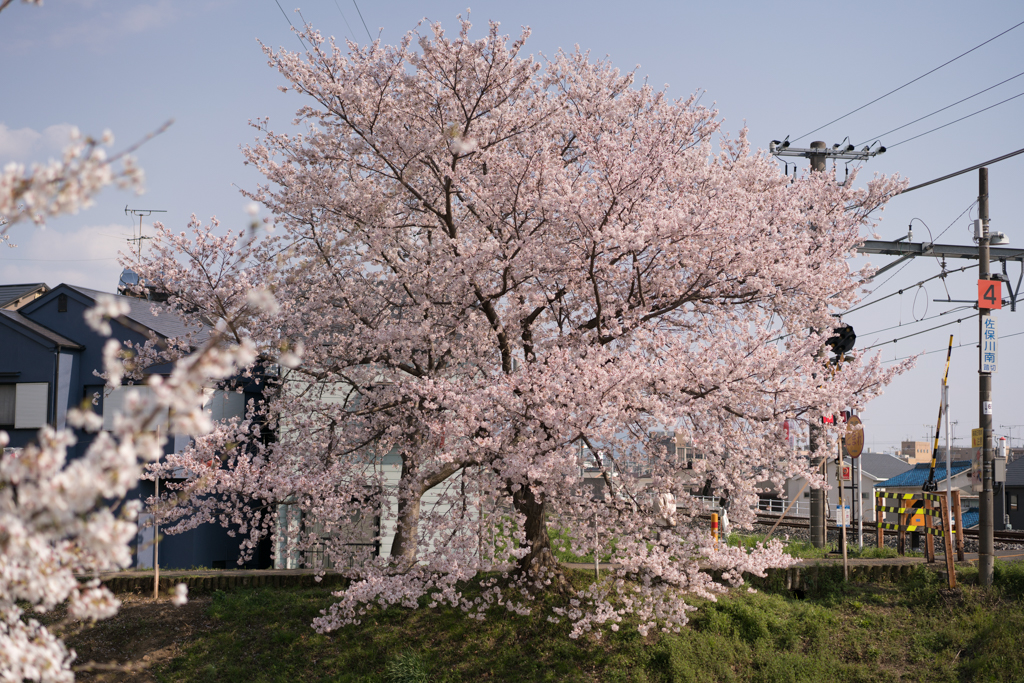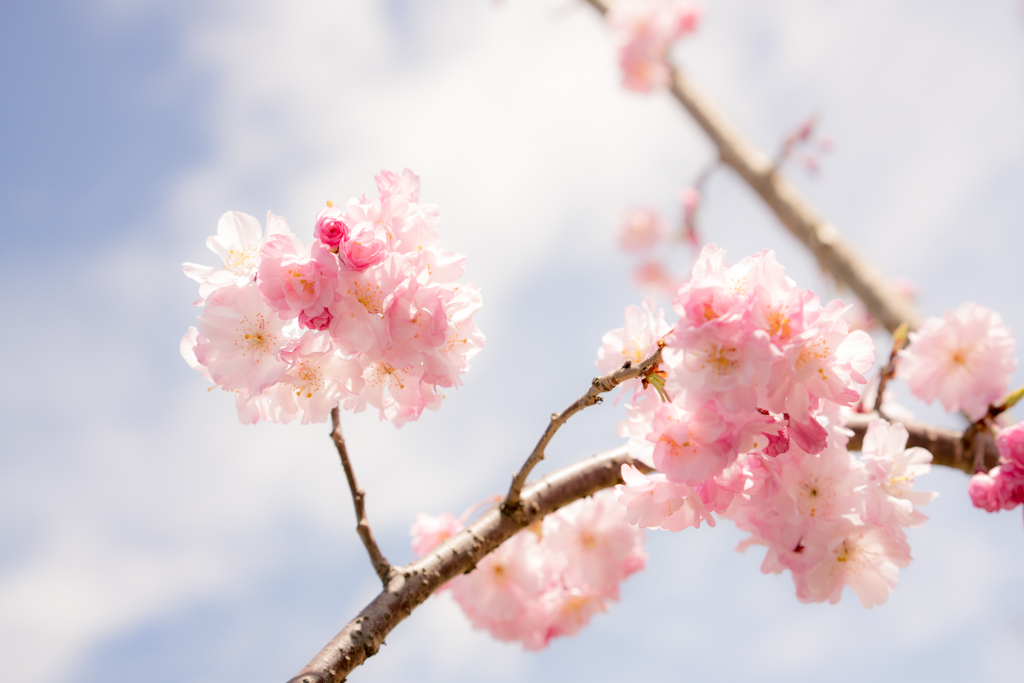
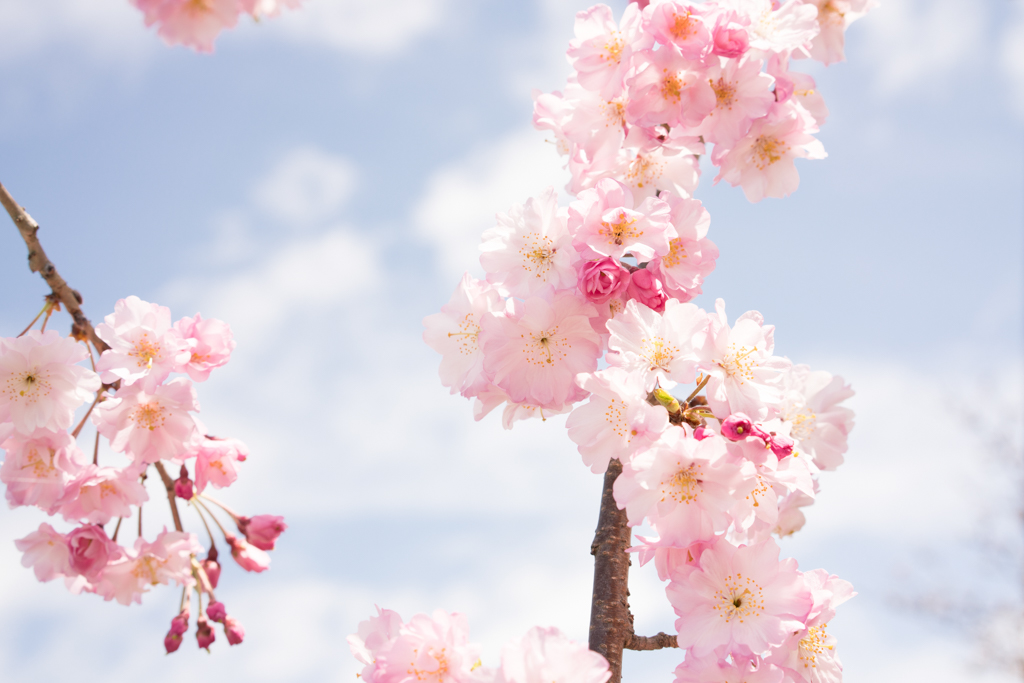
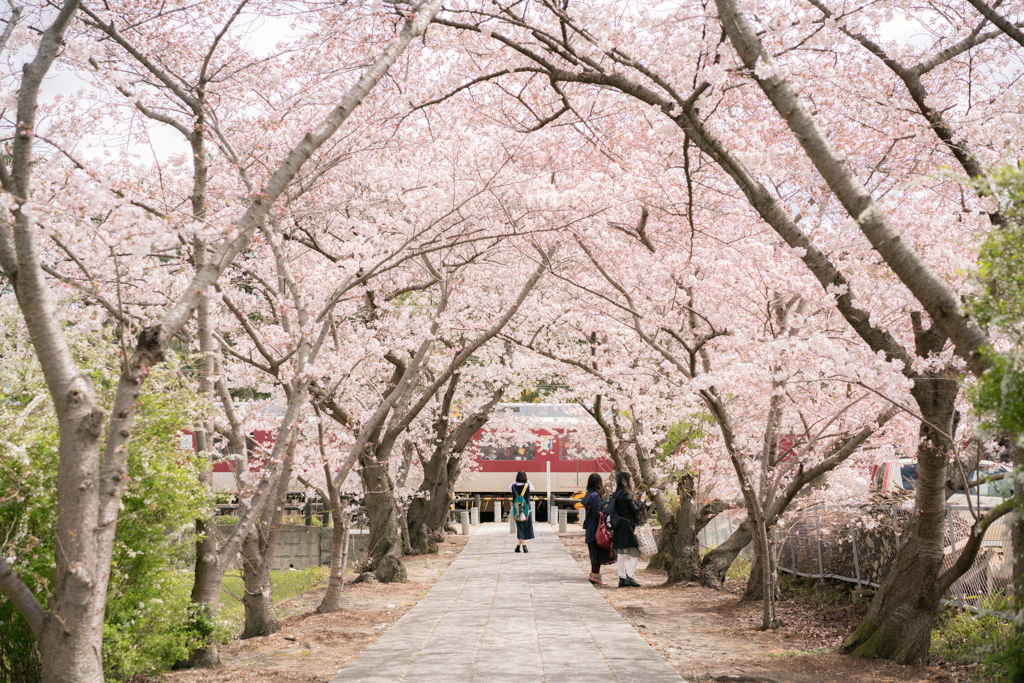
Cherry blossoms, or sakura in Japanese, have deep roots in Japan’s traditional rice-farming culture and folk religion.
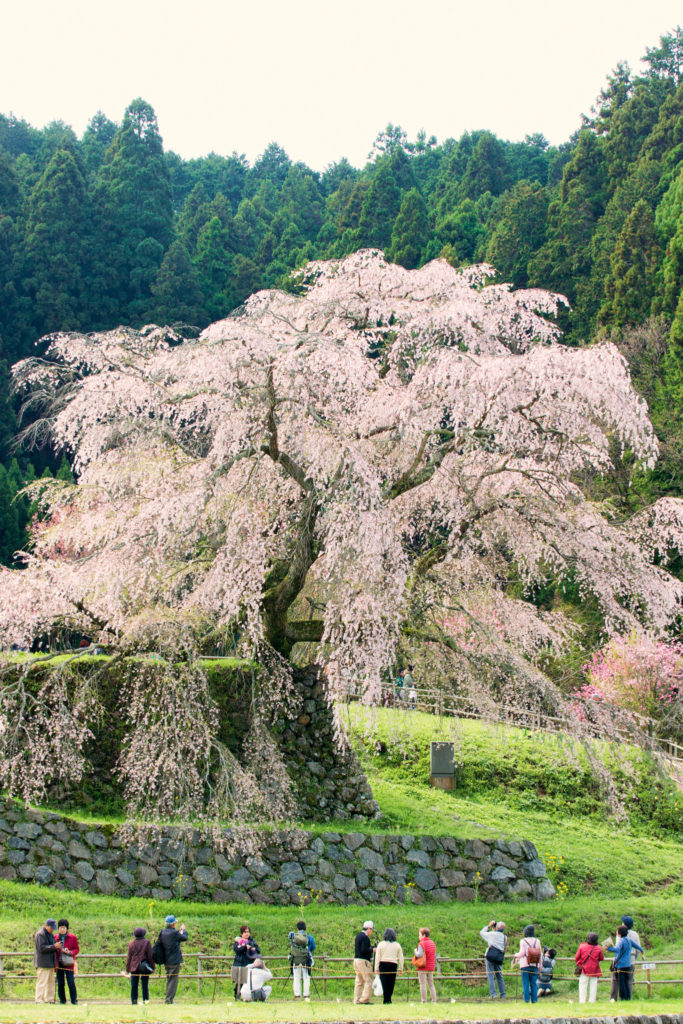
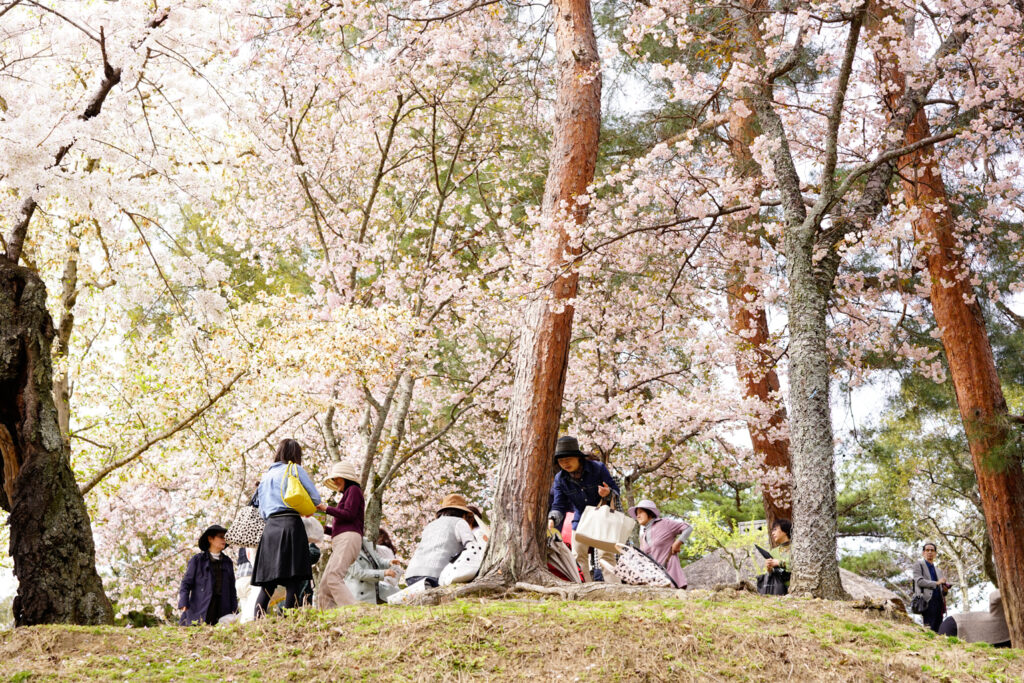
According to one etymology, sakura refers to a place where the spirit or deity associated with rice dwells. In earlier times, when the cherry trees came into full bloom, people gathered beneath them to offer sake to the spirits, pray for a good rice harvest, and prepare to begin planting.
Seen from an agricultural point of view, the custom was also quite rational.
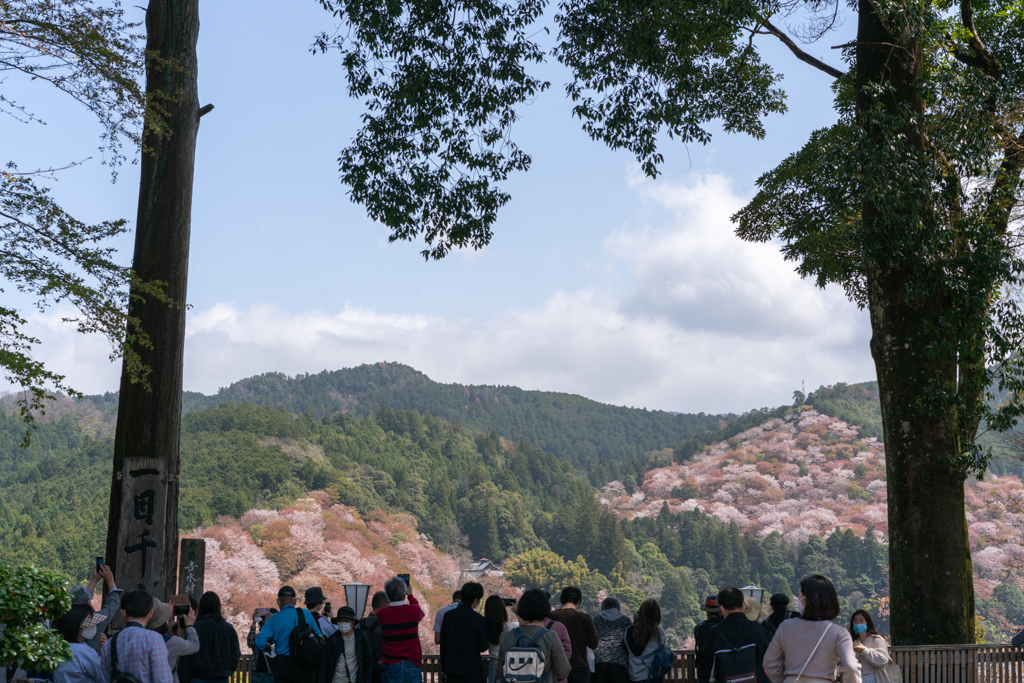
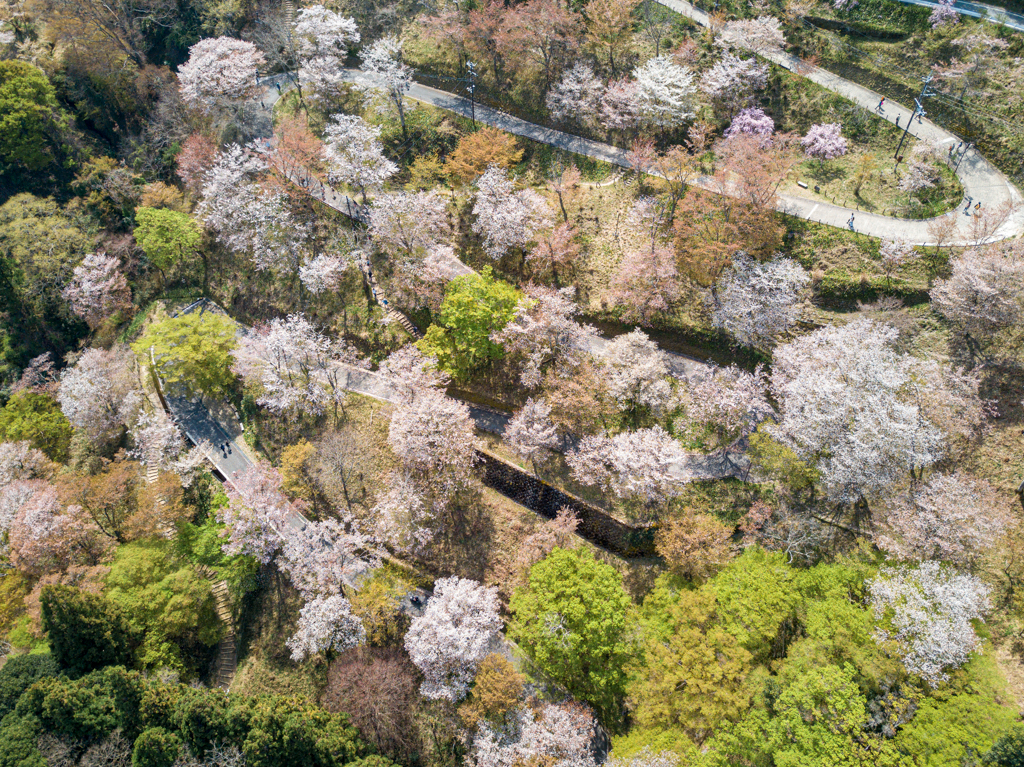
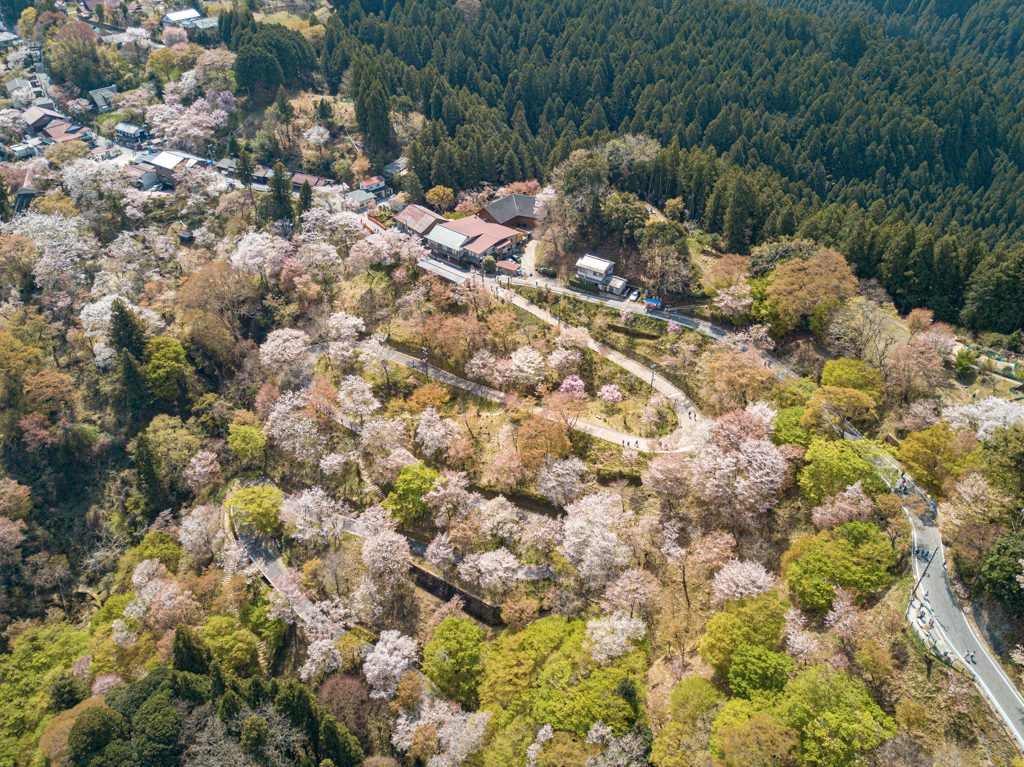
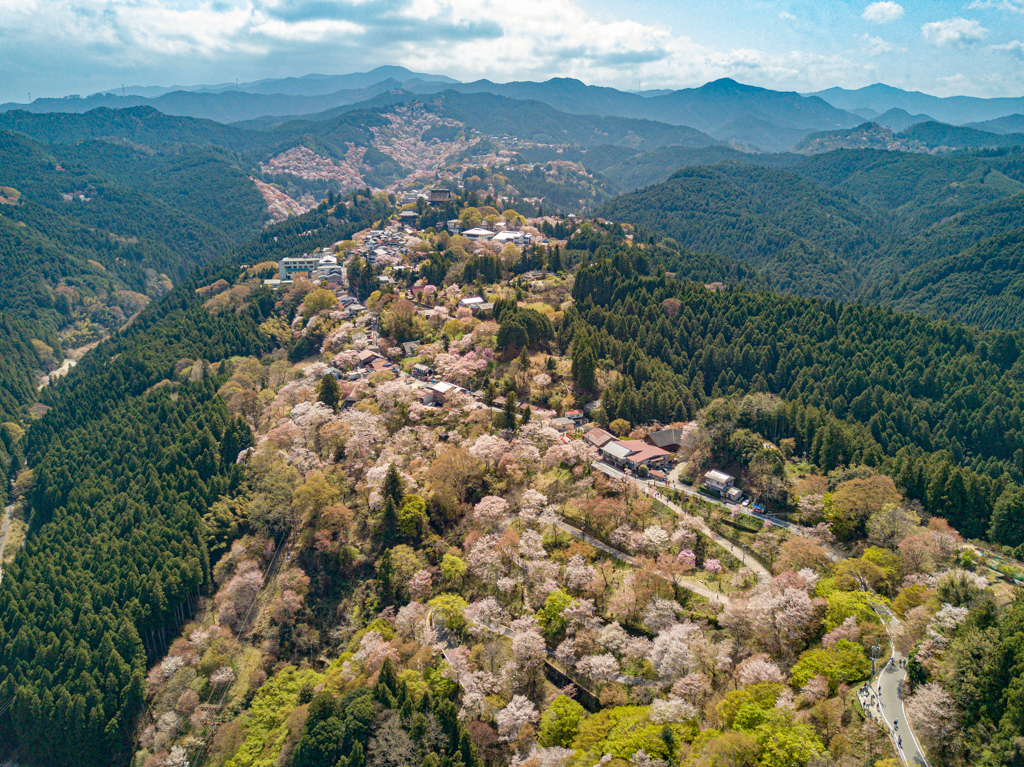
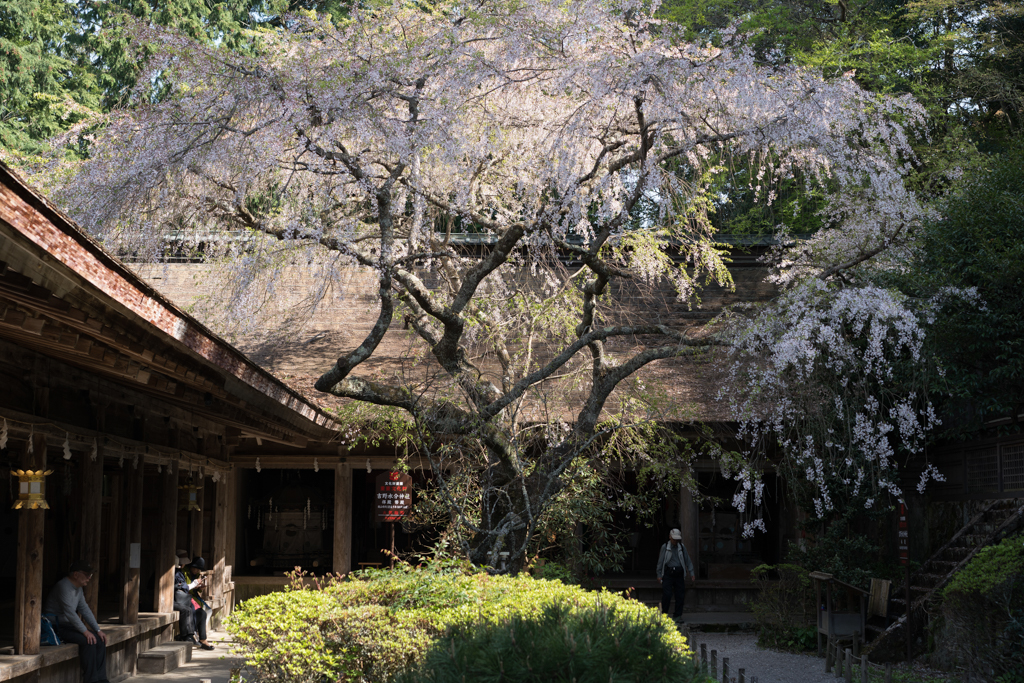
Rice planting generally begins once temperatures become warm enough for young rice plants to grow properly. Traditionally, before modern weather forecasting, the blooming of cherry blossoms served as a practical seasonal marker. Their flowering told farmers that spring had advanced far enough for the rice-growing season to begin.
In traditional Japanese belief, the deity of the rice fields was thought to descend from the mountains each spring. People welcomed the deity beneath the cherry blossoms with offerings of sake and ritual observances.
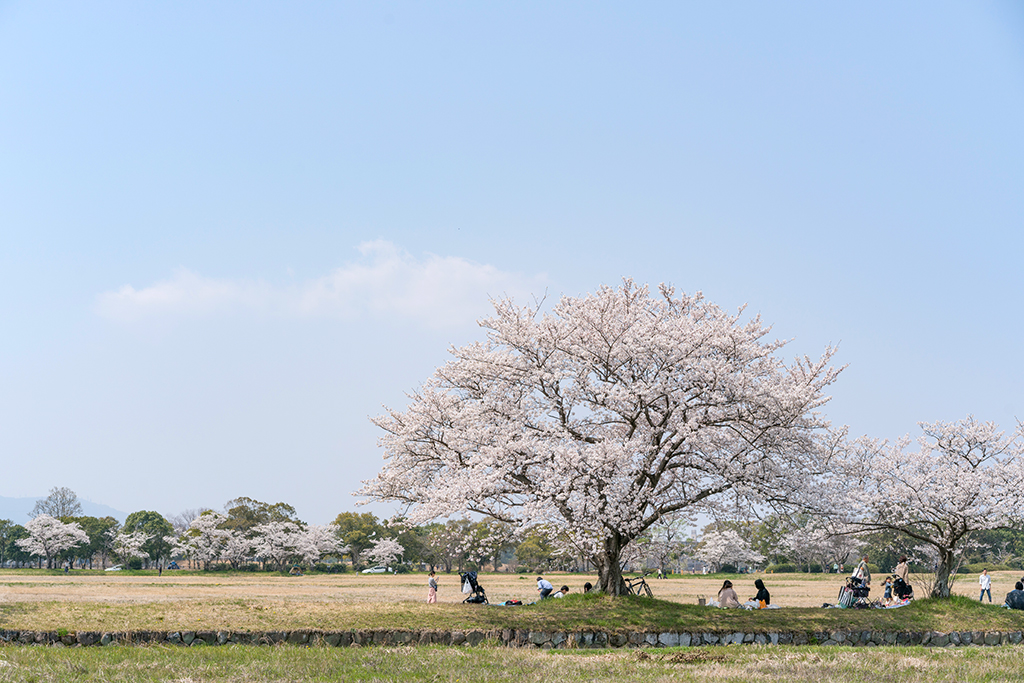
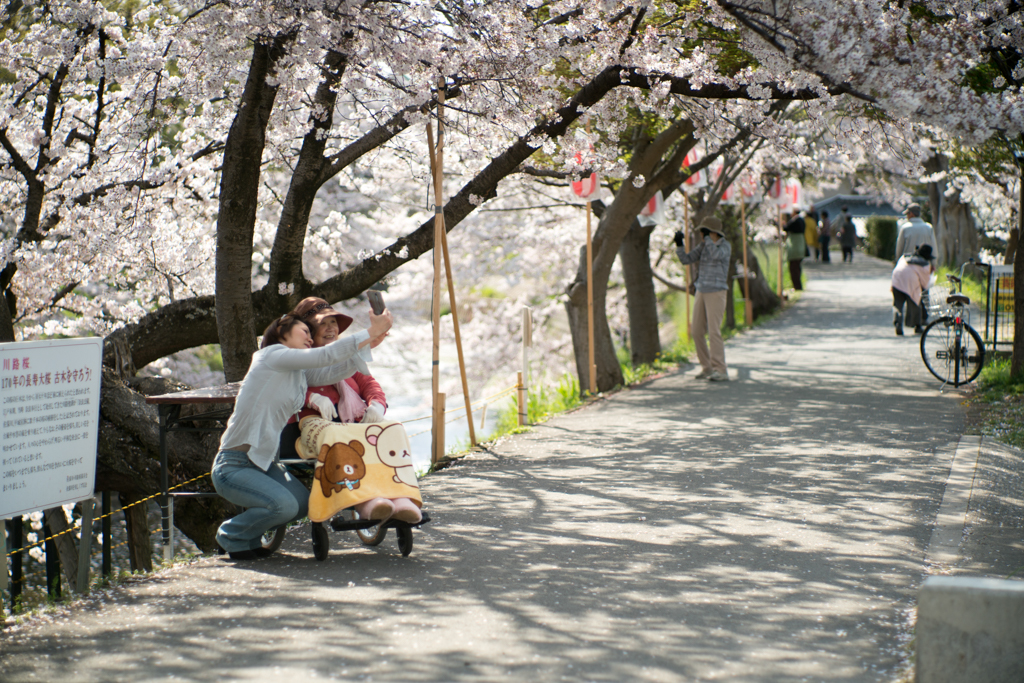
But once the formal part was over, the atmosphere changed completely: people drank, ate, sang, and celebrated under the trees. So hanami was not simply about admiring beautiful flowers. It brought together folk religion, agriculture, seasonal observation, and communal celebration.