At the cutting edge today, it is often less about creating everything from scratch and more about selecting, styling, and mixing what already exists. That is essentially what DJs do.
Fashion is no different.
In the past, designers sat at the top of the hierarchy, and fashion houses were often built around the names and identities of individual designers. Today, stylists have become increasingly powerful cultural figures.
Patricia Field is a perfect example. In Sex and the City, she mixed vintage pieces with contemporary fashion, constantly recontextualizing the past through the present and the present through the past.
The same shift can be seen in music. The relationship between DJs and trackmakers is not so different from the relationship between stylists and designers. One creates the material; the other selects it, combines it, changes its context, and gives it new meaning.
I’ve seen that shift firsthand.
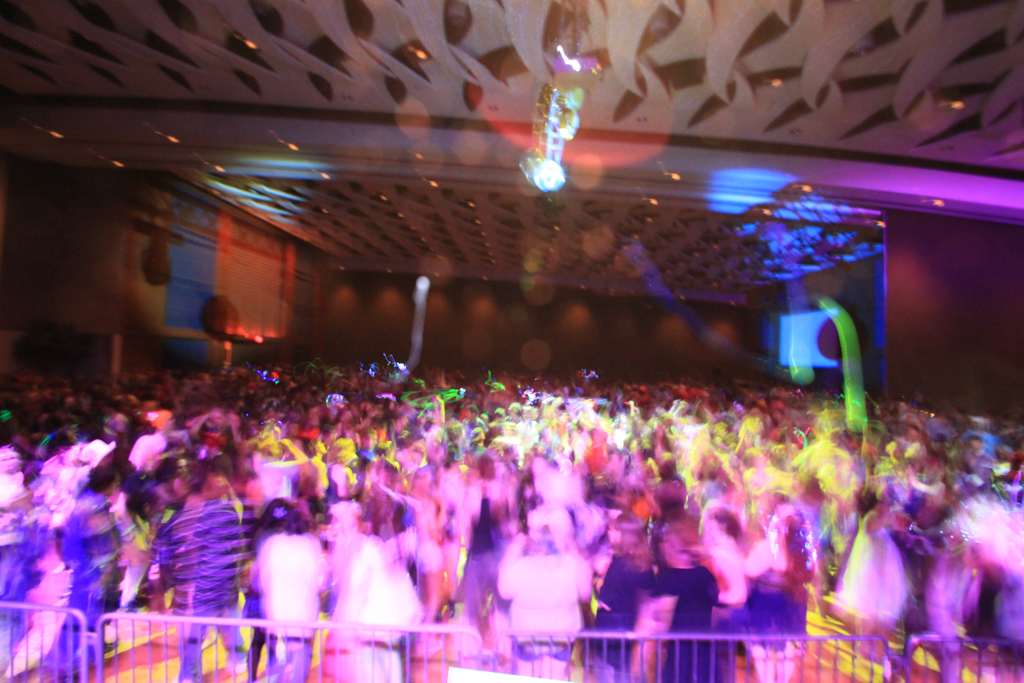
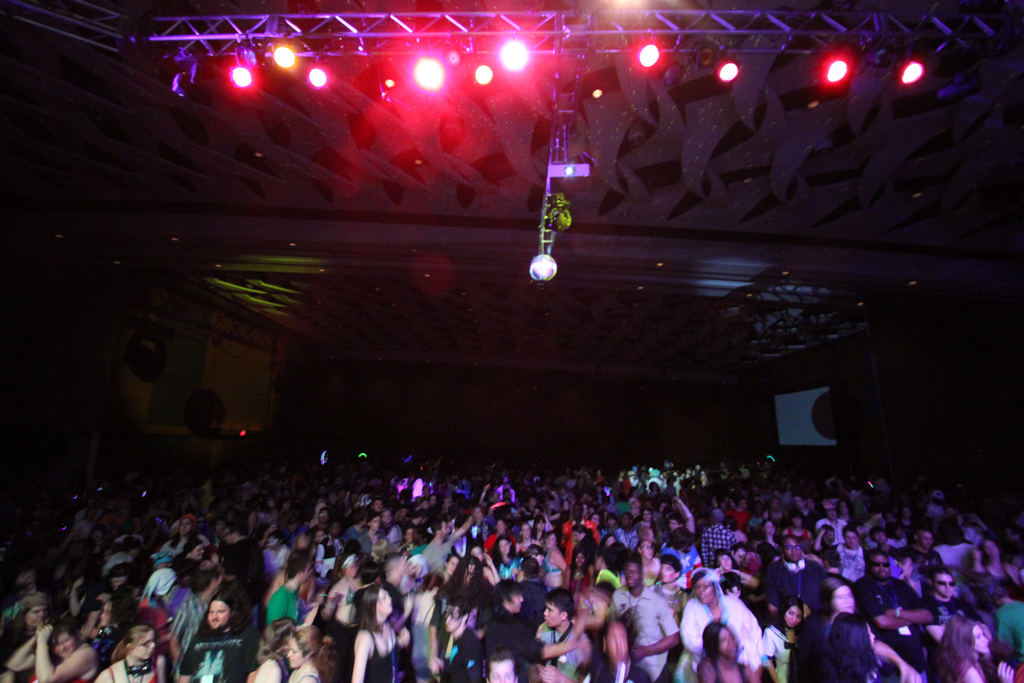
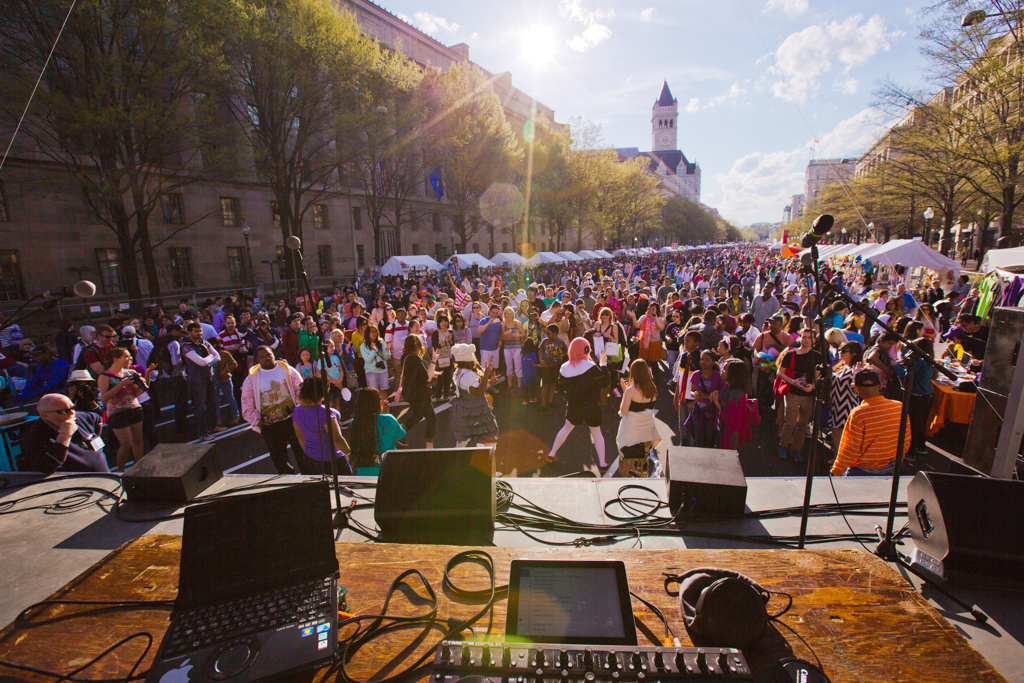
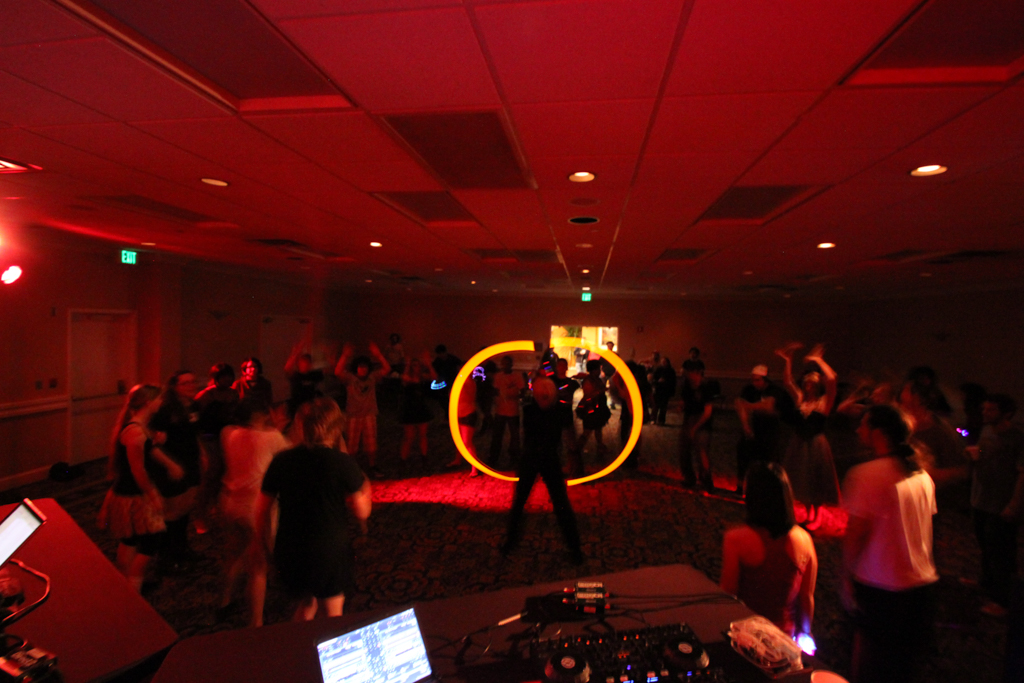
I’ve gone from playing for small groups of anime fans in a New York hotel ballroom, to audiences of 3,000 at convention centers, to events near the White House and even inside an embassy in Washington, D.C.
Ten years earlier, it would have been difficult to imagine someone like me—a gadget geek armed with new technology—being able to perform in such places.
That is exactly why I have always been fascinated by new technologies.
The technologies I find most exciting are not simply better tools. They change who gets to create, who gets to perform, and what kinds of people can suddenly enter spaces that were previously closed to them.
They create paradigm shifts.