Coffee, coffee, and more coffee—followed by yet another cup around the corner. That is basically my mission in Portland, because the coffee here is that good.
Portland has become one of the great centers of third-wave coffee culture.
Third-wave coffee often tastes bright, fruity, and slightly acidic because high-quality beans are usually roasted lightly. But why light roast? Why not roast them dark, the way we traditionally associate with espresso?
The answer is simple. Think of sushi. Truly fresh, high-quality fish can be served raw; lower-quality fish often needs more cooking, seasoning, or sauce. Coffee works in a similar way. With exceptional beans, heavy roasting can bury the qualities you actually paid for. A lighter roast lets more of the bean’s origin, variety, processing, and natural flavor come through.
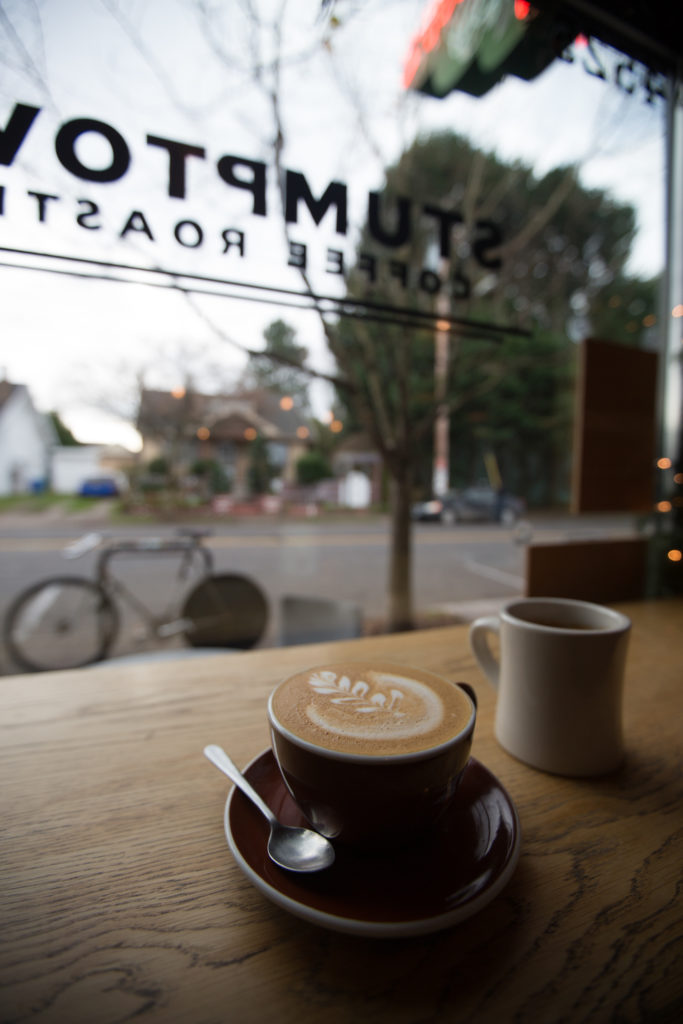
In an increasingly digital world, Jack Dorsey has spoken about the importance of physical places where people can still gather. Coffee shops fit naturally into that idea: not merely places to consume caffeine, but places where craft, conversation, and community intersect.
That is different from the old idea of Starbucks as a “third place”—the space between home and work that Taylor Clark examined critically in Starbucked. Third-wave coffee is not simply about creating another comfortable place to sit. It treats coffee itself as a craft.
In that sense, third-wave coffee also belongs to a broader countercultural lineage: organic food, local production, craftsmanship, transparency, and resistance to industrial standardization. Much of that culture took shape on the West Coast, with San Francisco and Portland becoming especially important centers.
And Portland makes me think that perhaps the age of the night is giving way to the age of the morning.
The old idea of stimulating consumption deep into the night with neon signs, alcohol, clubs, and endless entertainment feels strangely dated here. Younger generations are drinking less alcohol, and the rise of “Generation Dry” suggests a broader shift away from the assumption that adulthood and social life have to revolve around booze.
The old ritual was to stay up late, drink hard, and conduct business or politics over a bottle.
The emerging ritual may be almost the opposite: wake up with the sun, take care of your body, and start the day with a really good cup of coffee.
Health is wealth.
Tomorrow morning, I’ll be back on the streets of Portland, looking for another cup—and probably a Blue Star donut to go with it.