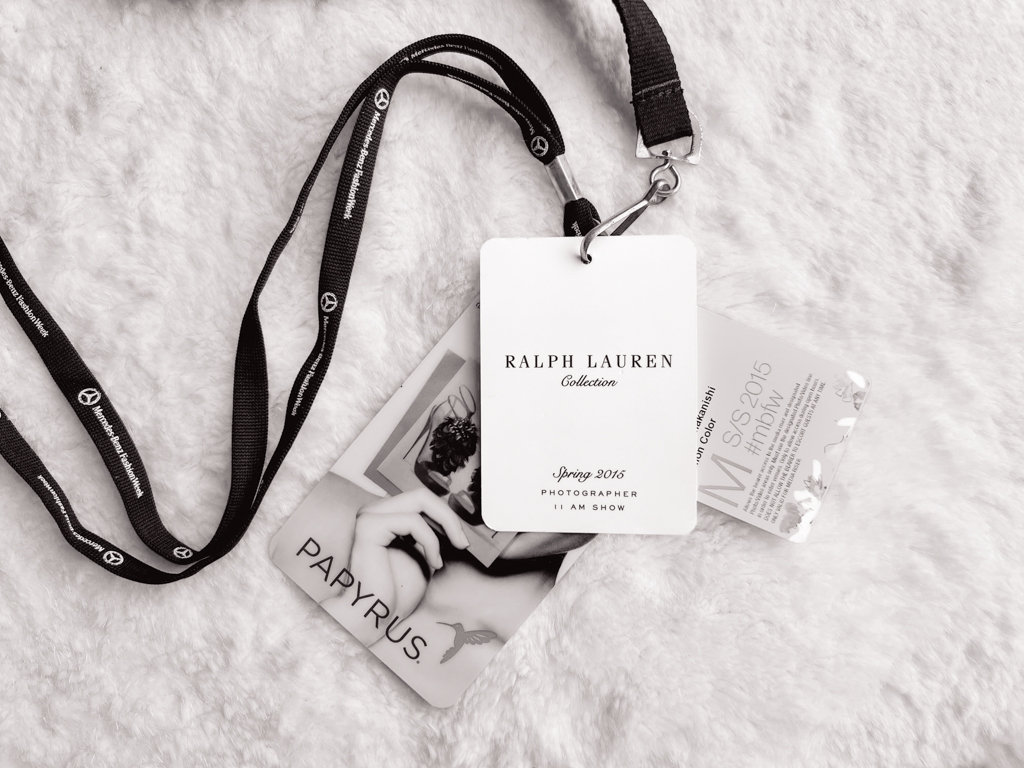
It was the final day of New York Fashion Week SS15. After sprinting all over Manhattan to cover more than thirty brands in a single week, I wrapped things up with Ralph Lauren. Washington Street was overflowing with fashion editors and fashion victims alike.
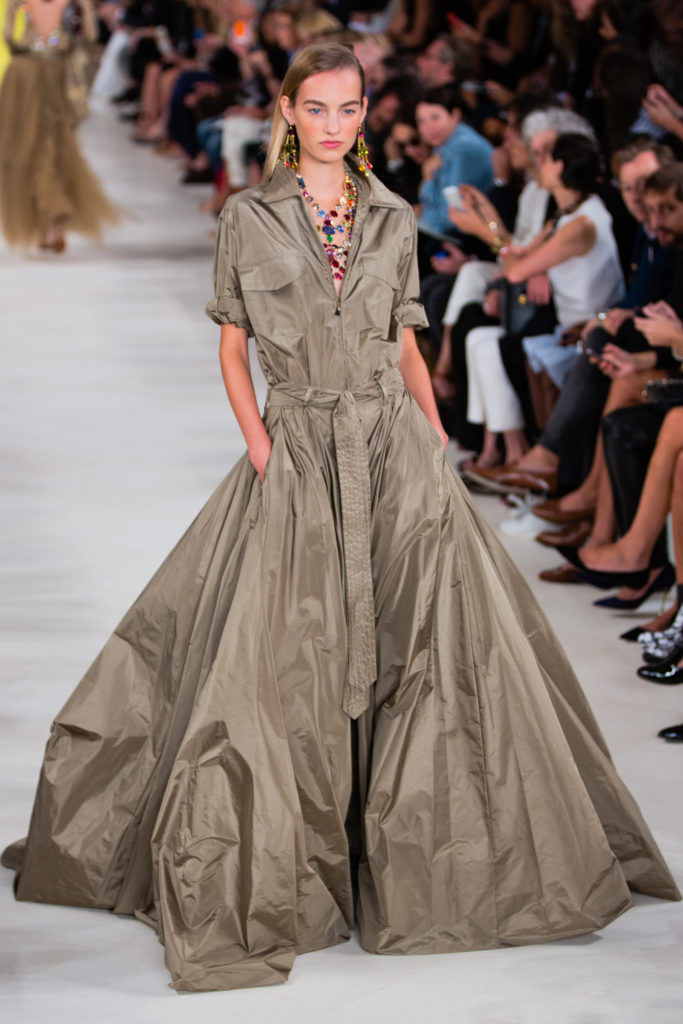
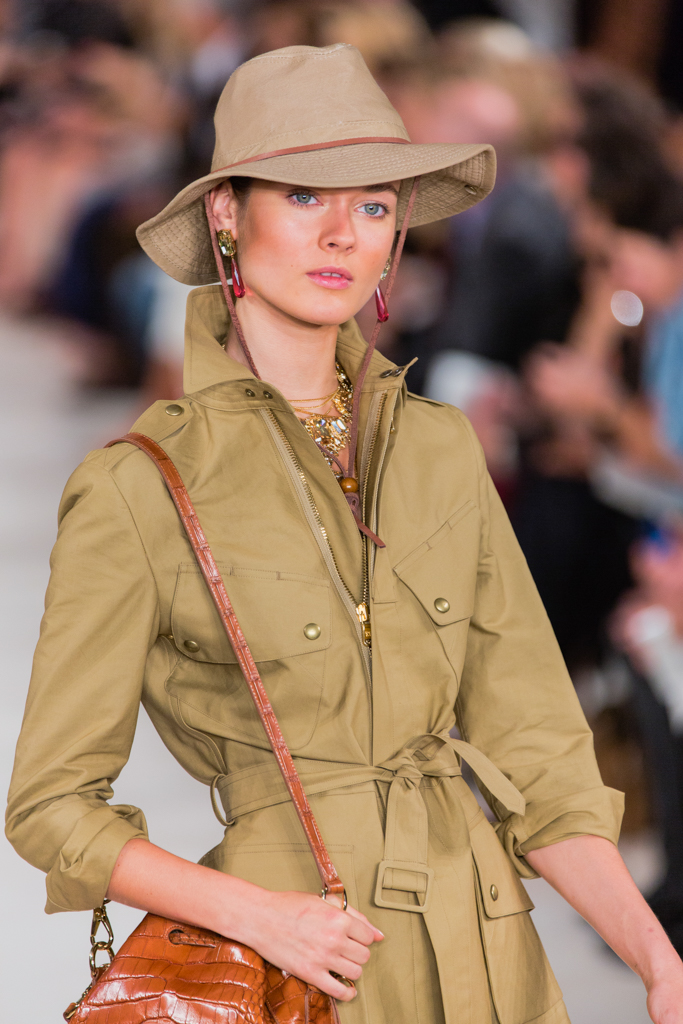
For 2015 Spring/Summer collection, Ralph Lauren turned once again to safari, khaki, and military references, this time filtered through an Indian fantasy. Gurkha trousers, safari shirts, cargo pieces, jodhpurs, khaki, satin, chiffon, and flashes of Maharajah pink all appeared on the runway.

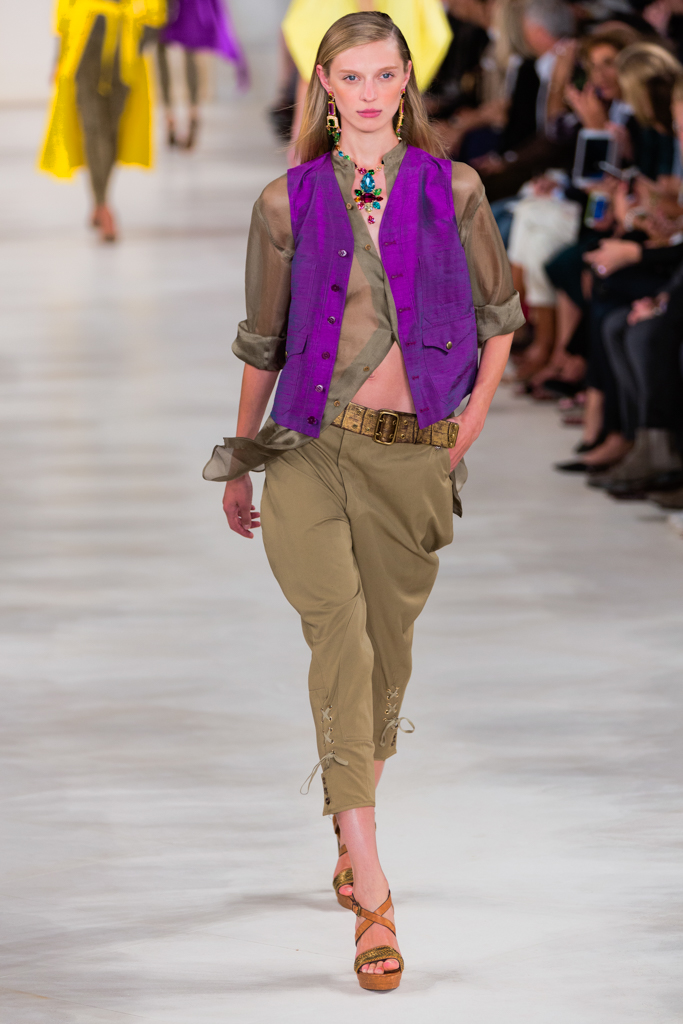
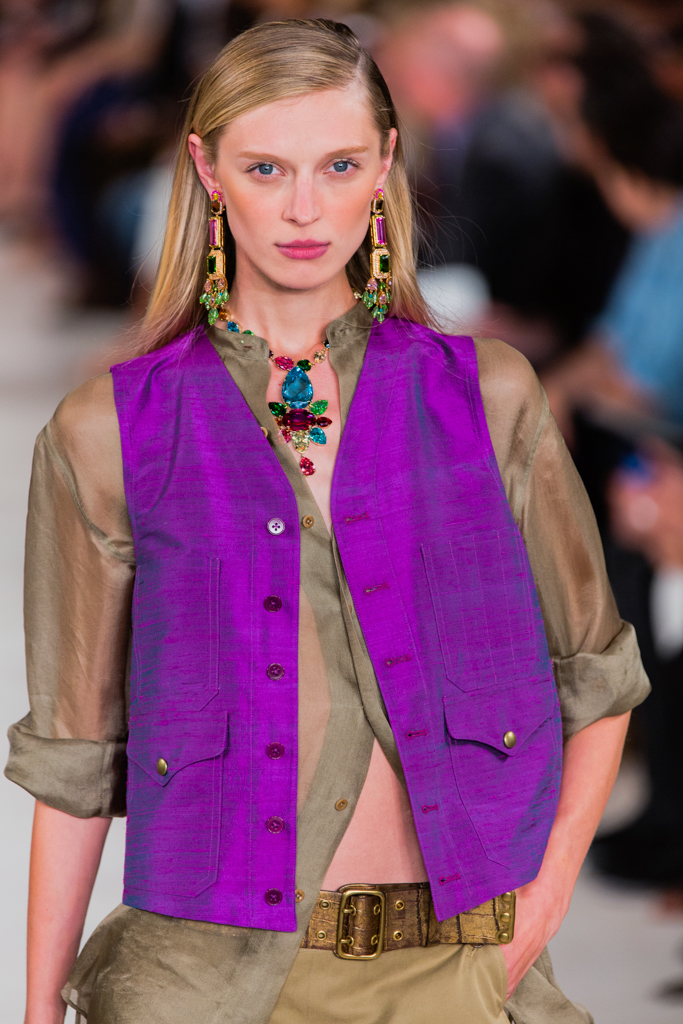
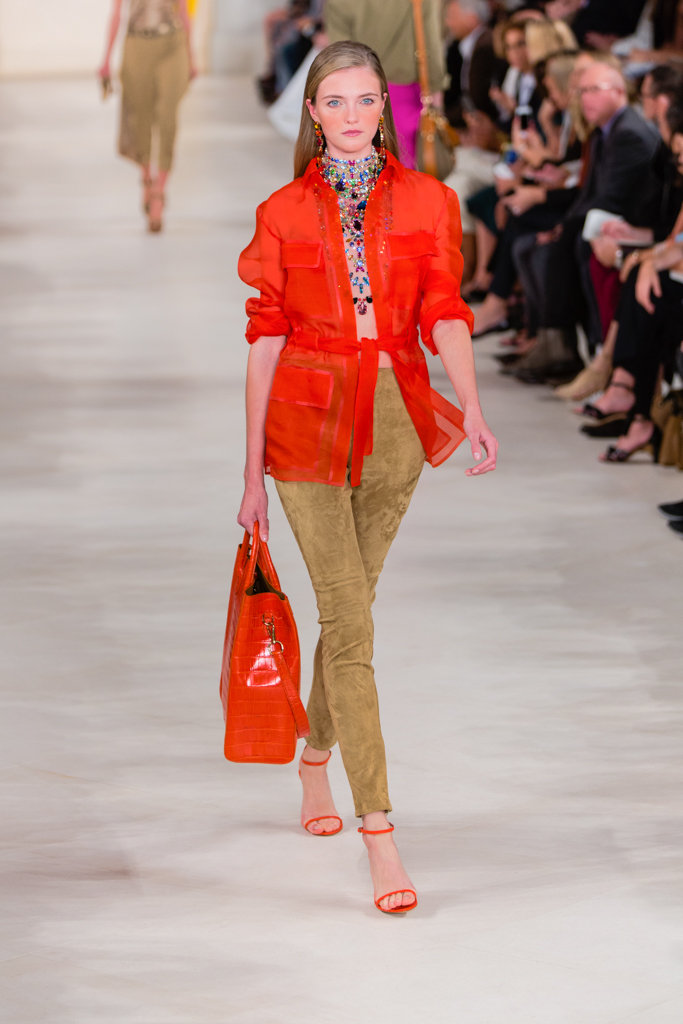
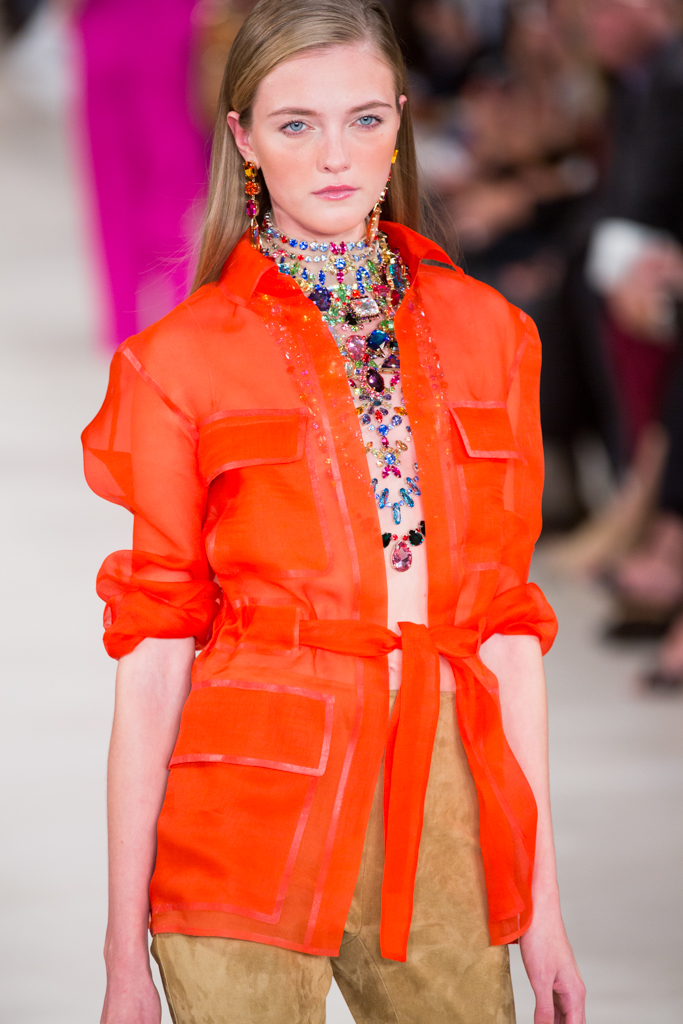



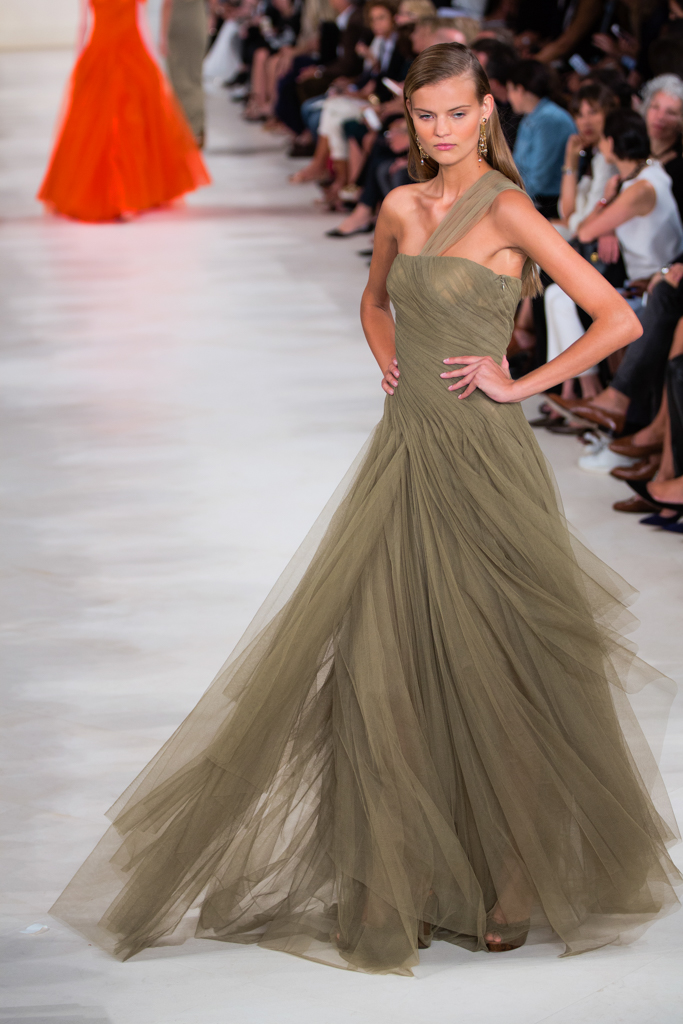
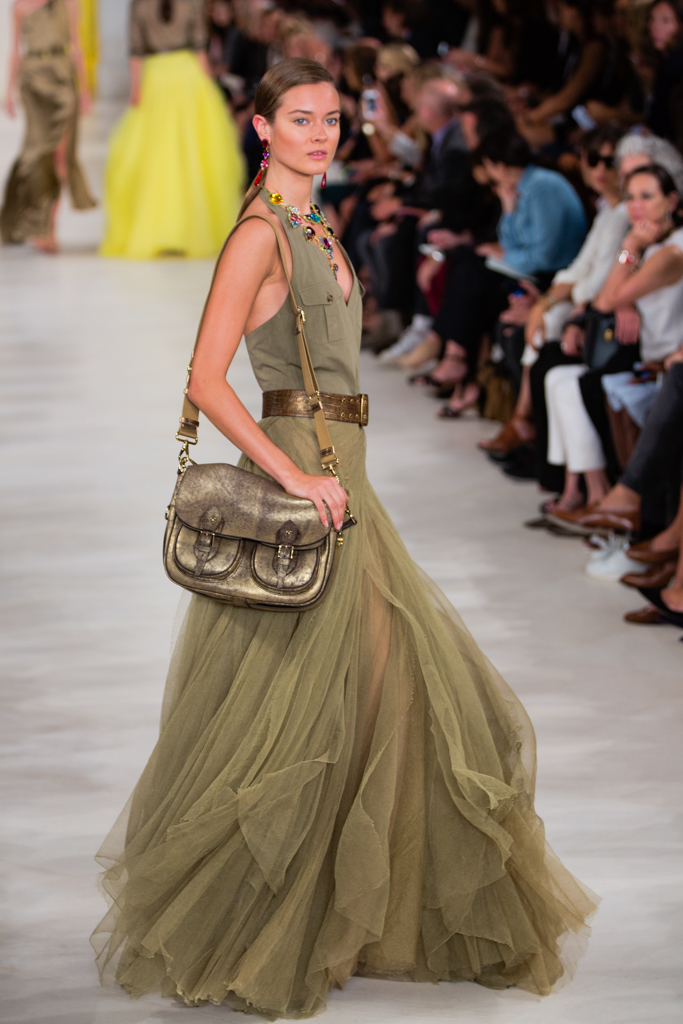
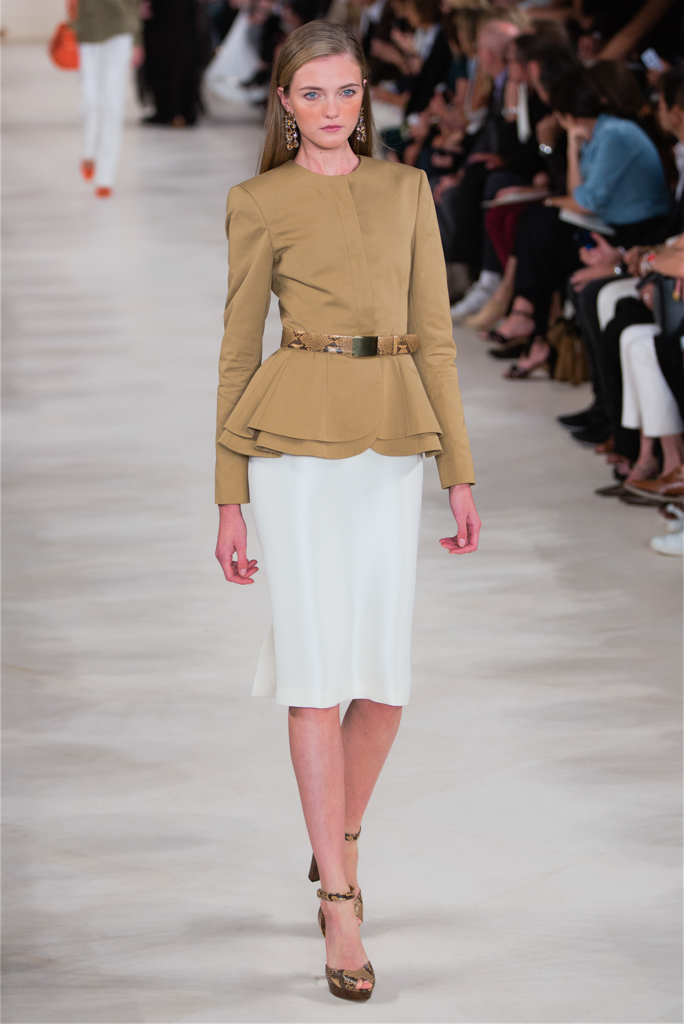
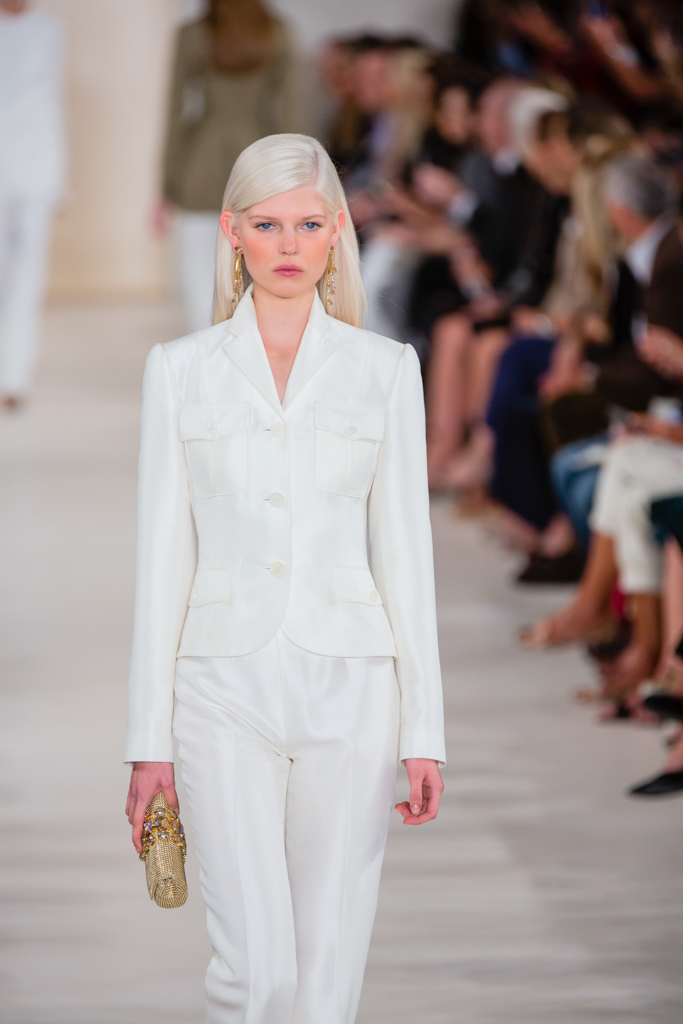
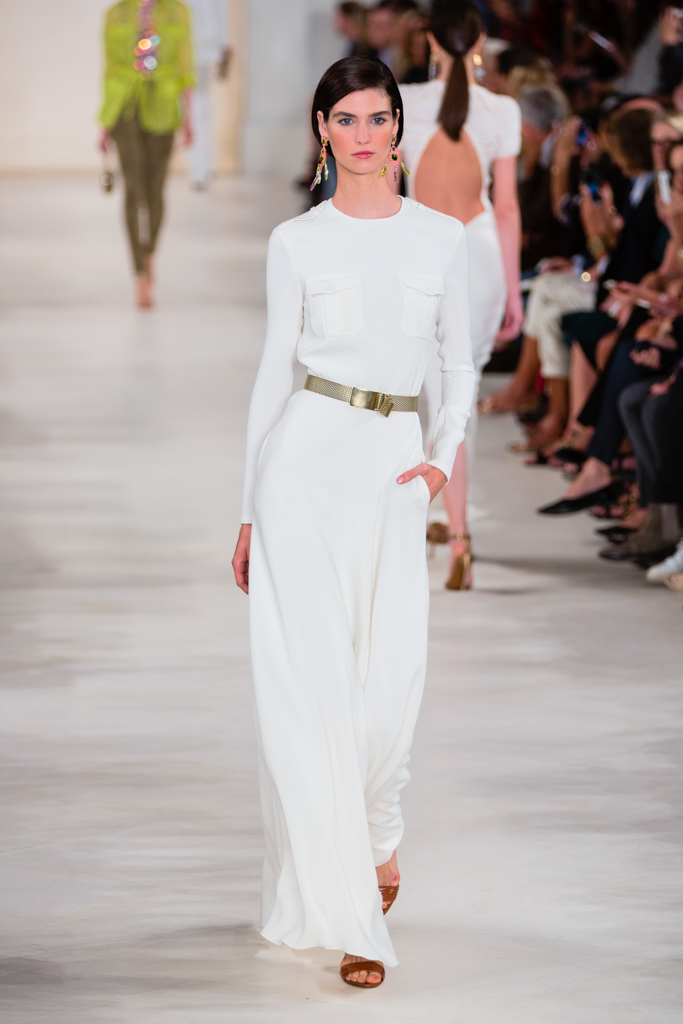
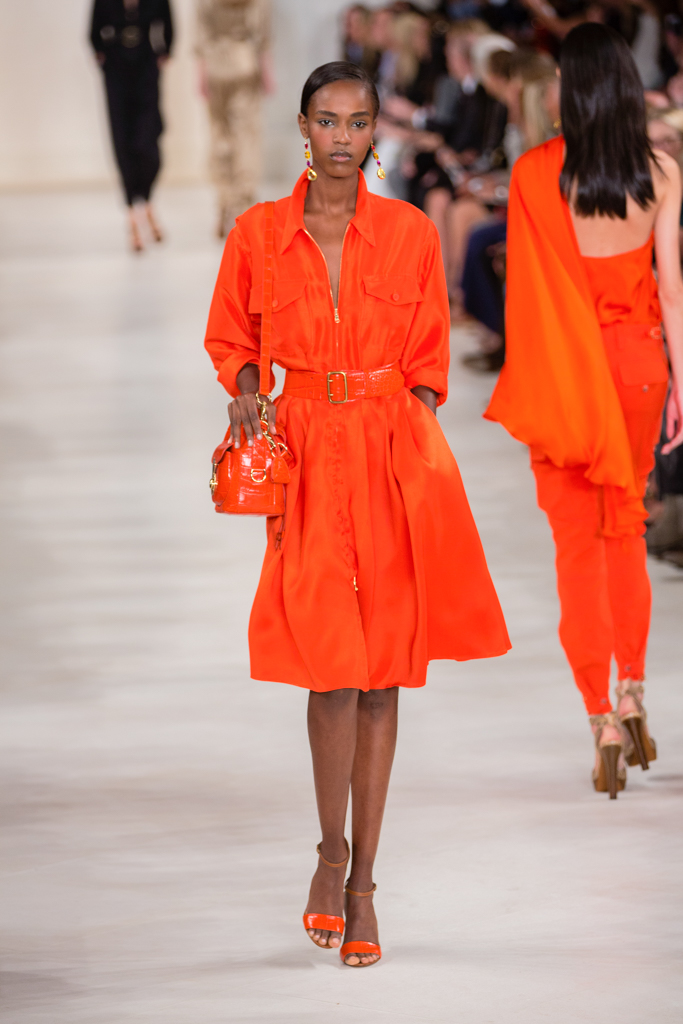
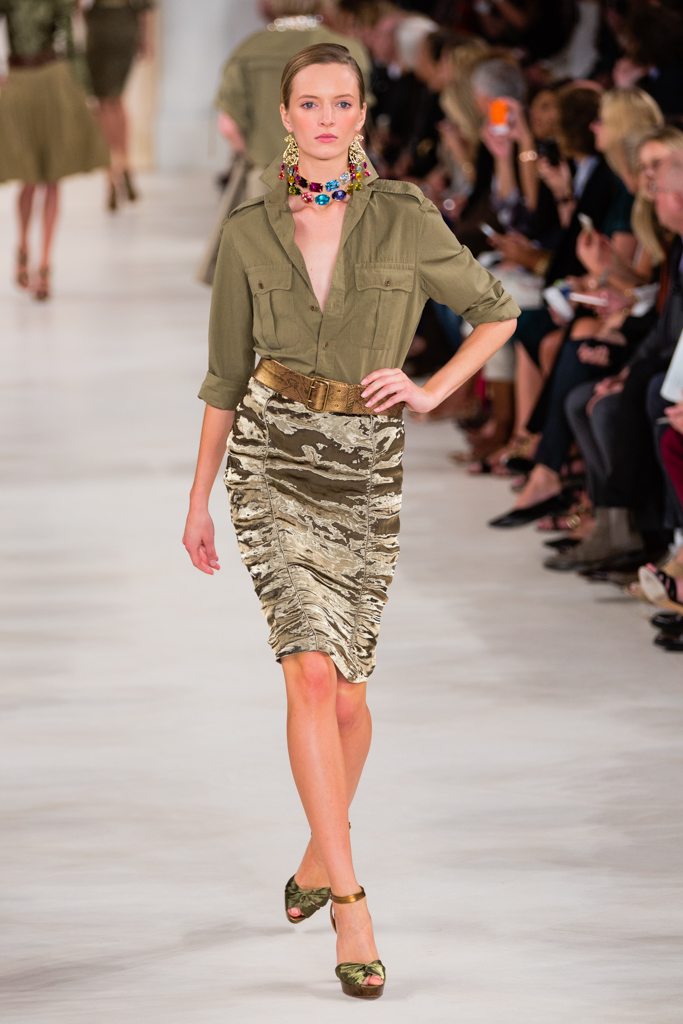
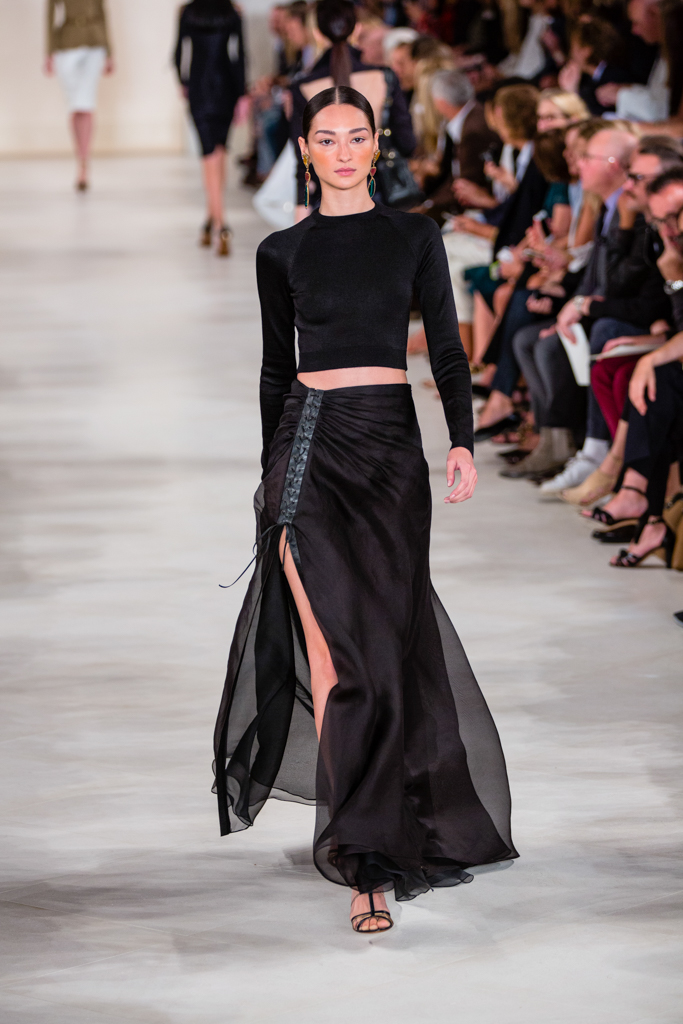
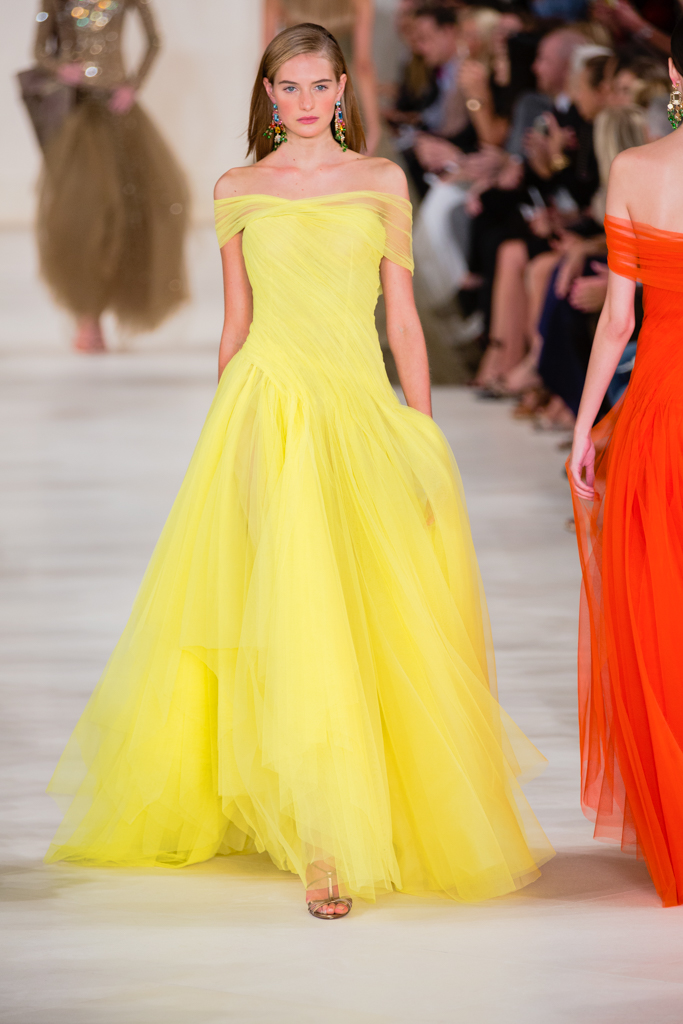
The entire mood of the show was already there in the chandeliers, wrapped in chiffon to soften their sparkle. As Suzy Menkes observed, everything was luxurious yet restrained, with colors that were vivid without becoming violent.
That contradiction is quintessential Ralph Lauren: military khaki transformed into luxury, safari turned into fantasy, utility clothing elevated into eveningwear.
But there is another contradiction at the heart of Ralph Lauren itself.
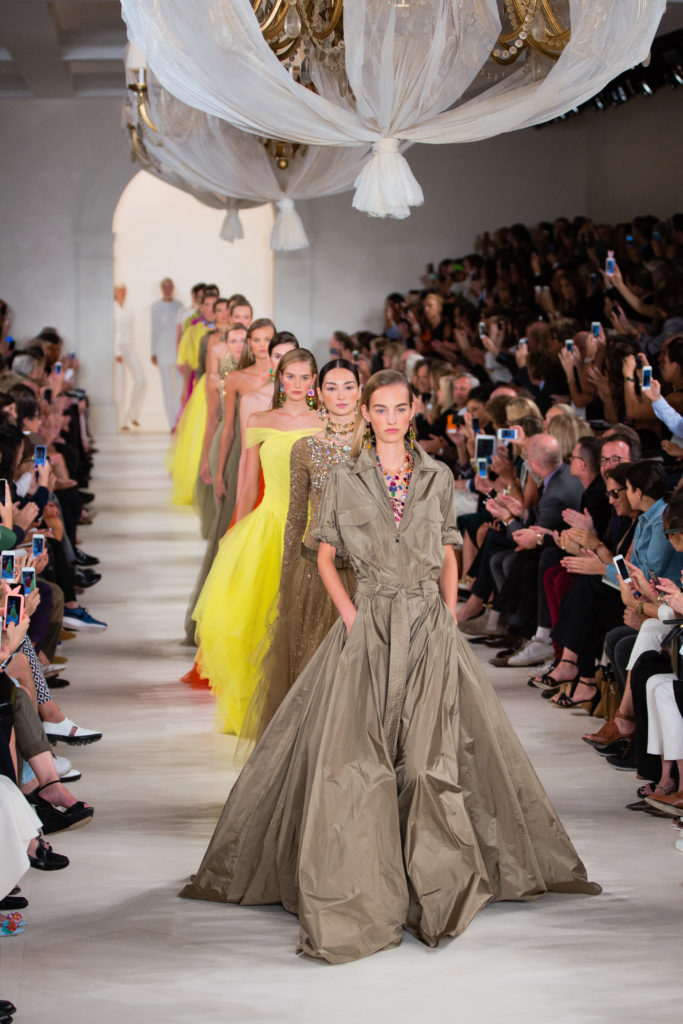
Ralph Lauren is one of the great interpreters of WASP style, yet Ralph Lauren himself was born Ralph Lifshitz, the son of Jewish immigrants in the Bronx. What he created was not simply clothing worn by the American establishment. He reconstructed an imagined world of prep schools, polo grounds, country estates, Ivy League campuses, East Coast privilege, and old-money ease.
That outsider position may actually be essential to the achievement. Ralph Lauren did not merely inherit WASP culture. He observed it, selected its signs, refined them, and rebuilt them as a coherent dream that anyone could buy.
The 1974 film The Great Gatsby makes the connection almost perfect. Costume designer Theoni V. Aldredge brought in Ralph Lauren to outfit the male cast. Lauren’s clothes helped construct the visual language of Fitzgerald’s 1920s upper-class America, while Aldredge went on to win the Academy Award for Best Costume Design.
Here the copy and the original begin to blur. A Jewish kid from the Bronx reconstructs the visual code of the WASP elite; that reconstruction is then used to recreate the Jazz Age on film; the film reinforces our image of what that world looked like; and eventually Ralph Lauren itself becomes one of the primary references through which we imagine that America.
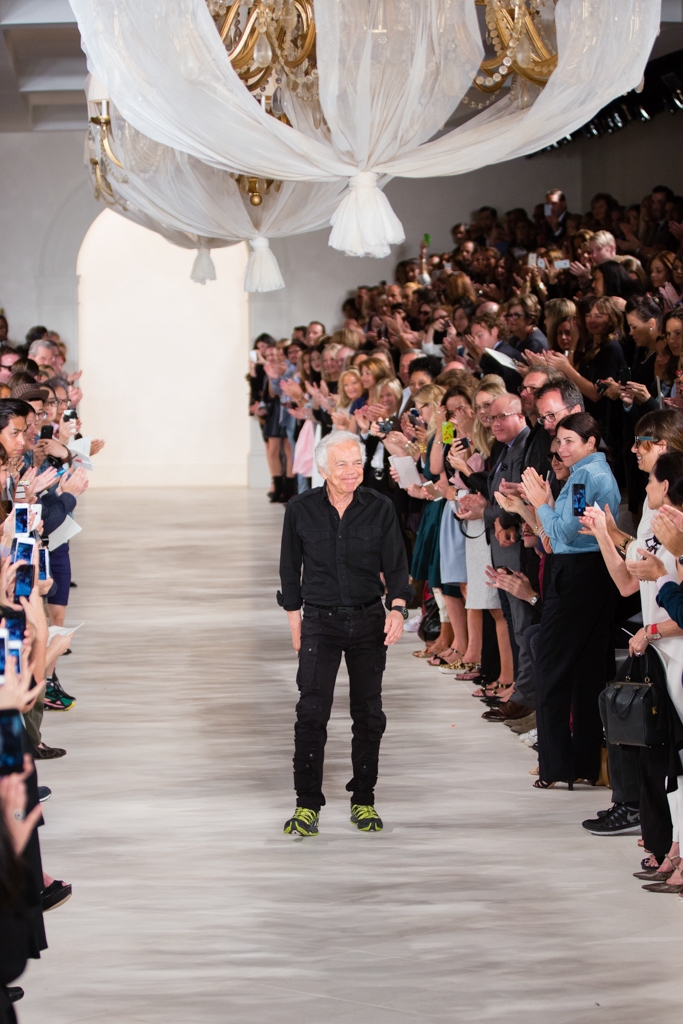
This is close to what we might call a simulacrum—or perhaps the moment when the simulacrum becomes more real than the historical reality it was supposedly copying.
In that sense, Ralph Lauren goes far beyond branding. The brand functions almost like a medium. It does not merely sell clothes; it produces and circulates an image of America.
Kant, in his Critique of Judgment of 1790, famously described beauty in terms of “purposiveness without purpose”: something can appear perfectly ordered and meaningful without serving any determinate practical end.
Perhaps Ralph Lauren can be understood in a similar way.
It is an exquisitely constructed fabric of simulacra: an American dream assembled from signs of class, history, ethnicity, cinema, memory, and fantasy—purposive in every detail, yet without any single original reality to which it finally refers.